Why Remote Workers Are Choosing Providence County
June 4, 2026
June 4, 2026
Thinking about where to base your remote work life? Providence County keeps showing up for a reason. If you want a place that balances day-to-day convenience, housing choice, and access to work-friendly amenities, this area offers a practical setup without feeling disconnected. Here’s why more remote and hybrid workers are giving Providence County a serious look, and what that could mean for your next move.
A remote-work location has to work on a basic level first. In Providence County, 90.5% of households have broadband and 94.0% have a computer, according to U.S. Census data. Those numbers point to the kind of infrastructure many remote workers want before they even start comparing neighborhoods.
The county also looks well-suited for hybrid life, not just fully remote work. In 2023, Providence County had 16,414 employer establishments and 273,731 jobs. That suggests you are not choosing a place that functions only as a bedroom community, but one with a substantial local economy and a real daytime professional base.
The mean travel time to work is 25.9 minutes. If your schedule includes occasional office days, client meetings, or regional travel, that kind of commute profile can be part of the appeal.
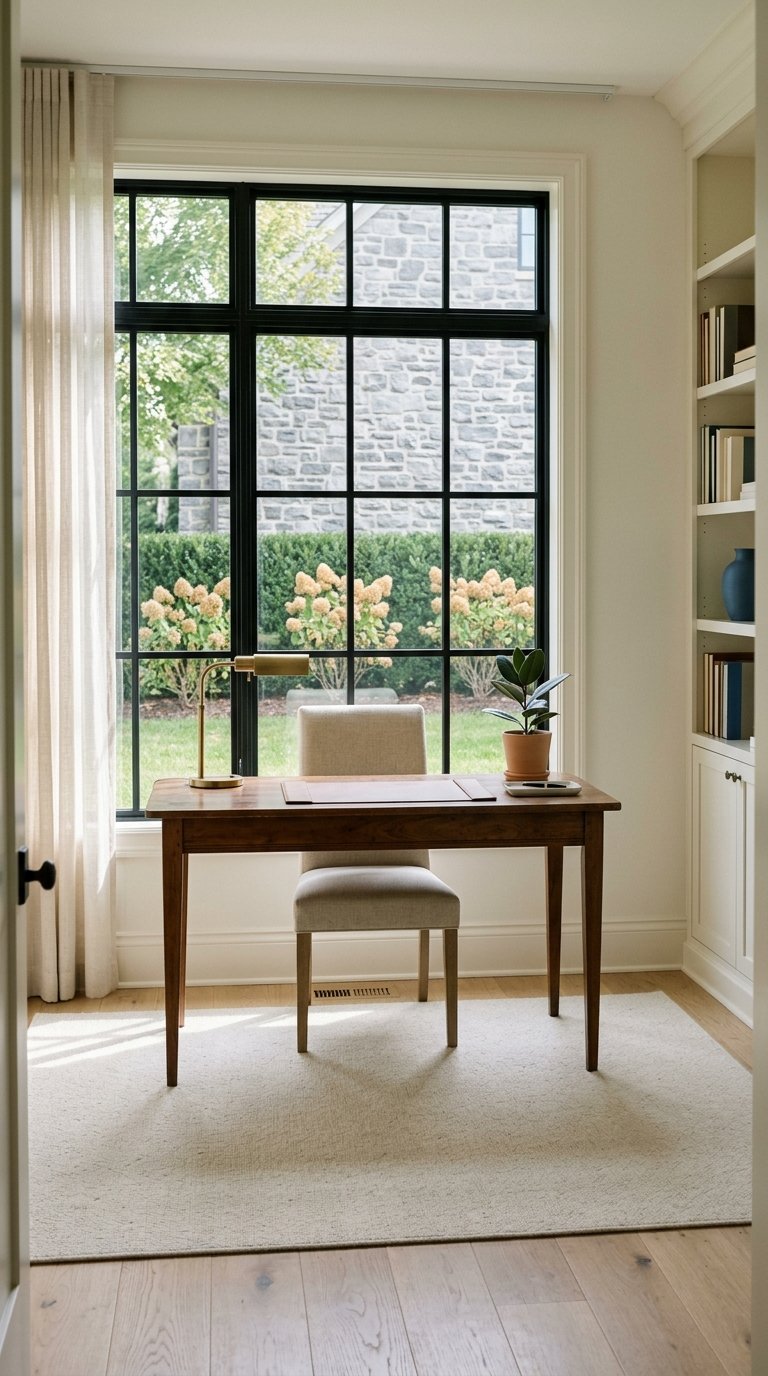
Remote workers often want more than a place to sleep. You may need a second bedroom for an office, a condo near downtown amenities, or a single-family home with more separation between work and home life. Providence County gives you a mix of options across city and suburban settings.
Countywide, the median value of owner-occupied homes is $373,600, while median gross rent is $1,312. Rhode Island overall is slightly higher, with a median home value of $404,200 and median gross rent of $1,342. That puts Providence County a bit below the statewide benchmark for buyers, while rents stay relatively close to the state median.
For many buyers and renters, that creates a useful middle ground. You can look for access, space, and convenience without automatically starting at the higher statewide price point.
Providence city is the most renter-heavy profile in this group, with a 41.4% owner-occupied rate. Its median gross rent is $1,408, and its median value of owner-occupied homes is $362,200. If you want to stay close to downtown, coworking, and transit, Providence is often the natural first stop.
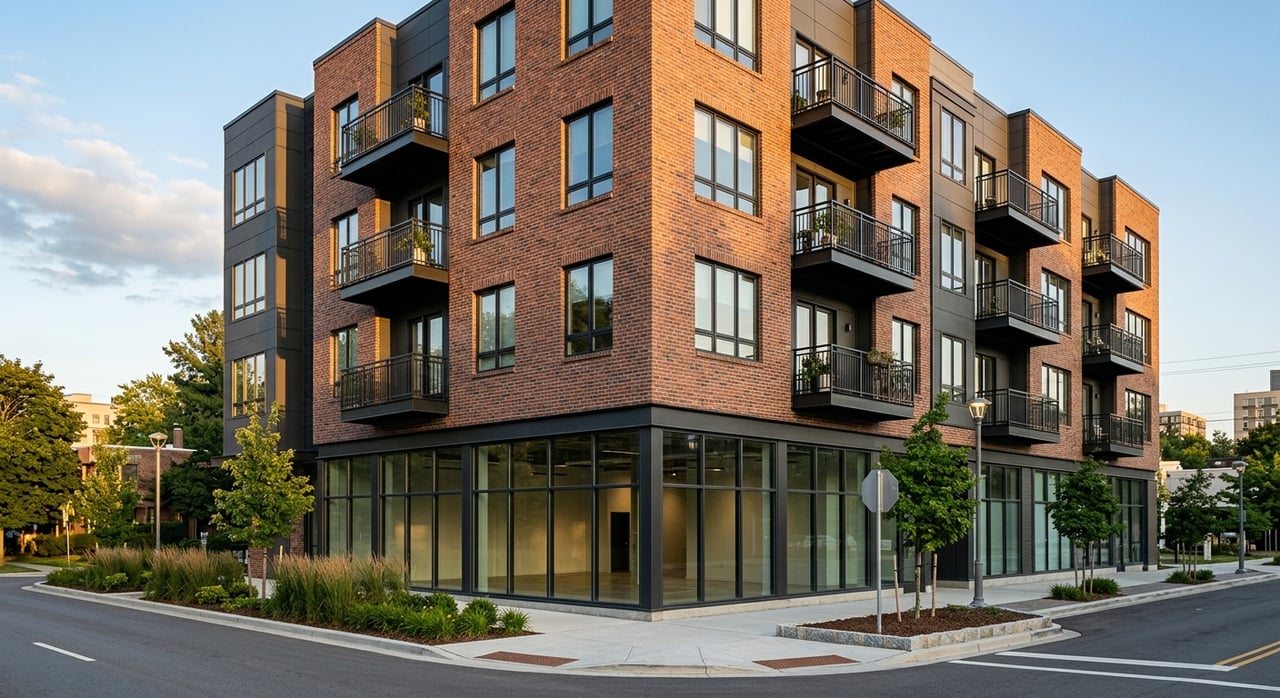
This setup may appeal if you value flexibility and a more urban routine. A condo, apartment, or other lower-maintenance home can be a strong fit when you want to work from home but still step out easily for meetings, coffee, or a change of scenery.
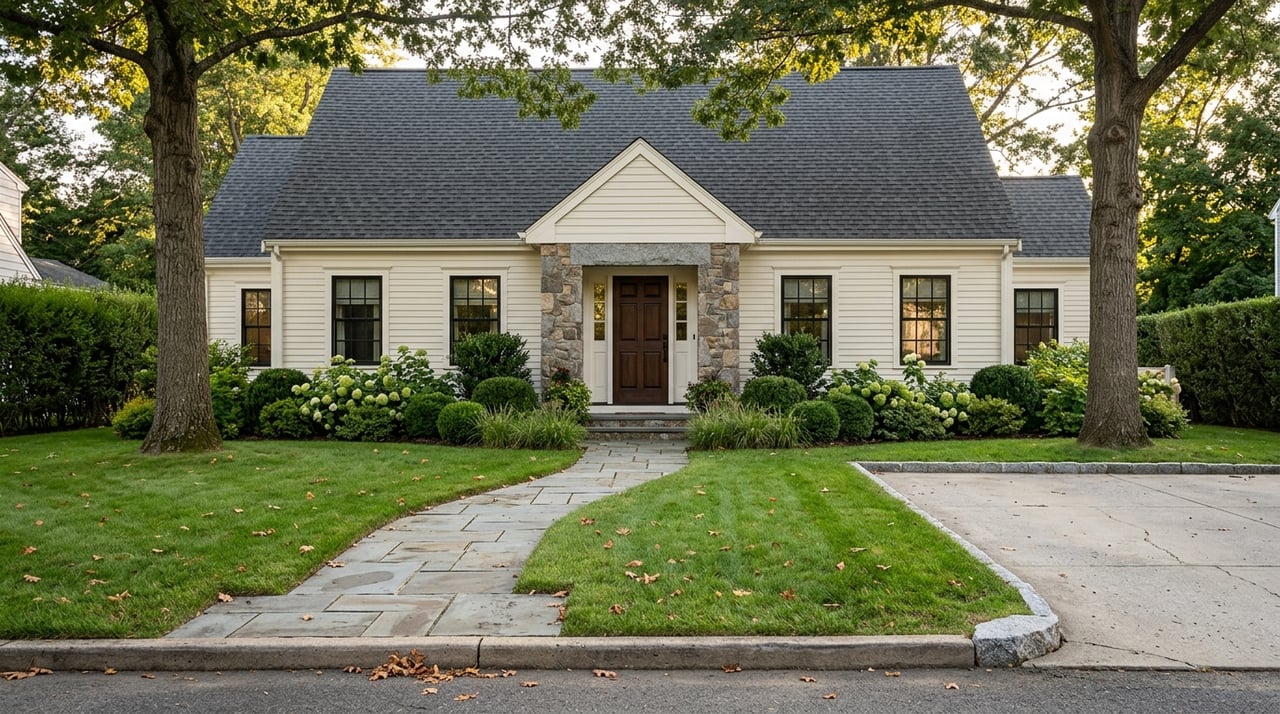
If you are searching for a more owner-occupied profile, East Providence, North Providence, and Cranston stand out. East Providence has a 59.9% owner-occupied rate, with median rent at $1,288 and median home value at $365,500. North Providence comes in at 63.9% owner-occupied, with median rent of $1,405 and median home value of $355,900.
Cranston is even more owner-occupied at 67.6%, with median gross rent of $1,375 and median home value of $378,300. Taken together, these numbers suggest places where your search may turn up more owner-occupied and potentially more space-oriented housing options. For remote workers who want a dedicated office, yard, or a little more separation, those areas are often worth exploring.
Pawtucket may appeal if you want a more entry-level option. The median value of owner-occupied homes is $325,500, and median gross rent is $1,208. That makes it one of the more budget-conscious starting points in the county data provided.
For first-time buyers, relocators, or renters testing out the area before buying, that lower entry point can matter. It may give you room to prioritize home-office needs without stretching as far on price.
Even if you love working from home, most remote workers do better with backup options. Providence offers several coworking models, which can be useful when you need meeting space, stronger separation between work and home, or a professional setting for part of the week.
CIC Providence at 225 Dyer St. serves more than 250 companies and offers flexible private offices, shared coworking, enterprise-grade Wi-Fi, and more than 25 conference rooms on 30-day terms. Located in the 195 District, it sits near the Providence River Pedestrian Bridge, parks, downtown dining, Providence Station, and access to T.F. Green Airport.
That kind of setup can be especially attractive if your work includes video calls, team meetings, or occasional client visits. It gives you a polished workplace option without locking you into a traditional long-term office lease.
Spaces highlights coworking options across Downtown Providence, the Jewelry District, and College Hill. Its offerings include day passes, dedicated desks, lounges, cafés, and fast Wi-Fi. Those areas are also framed around healthcare, education, and technology, which adds to the sense of a daytime professional ecosystem.
If you prefer something less corporate, Sprout CoWorking at 166 Valley Street offers flexible workspace, dedicated desks, private offices, shared office options, and six meeting rooms. Its setting in Rising Sun Mills, along with nearby bike paths, a riverside picnic area, and free parking, may feel more relaxed for some workers.
There are also smaller niche options. What Cheer Writers Club provides a quieter downtown option for creatives, including member coworking at $2.50 per hour at 400 Harris Ave, Unit E. UpRiseHer offers a gender-inclusive coworking space at 335 Hope Street with day-pass booking.
Taken together, these spaces show that Providence is not limited to one type of remote-work environment. You can choose a corporate-style office, a flexible desk, or a smaller community-oriented setting depending on how you like to work.
Remote workers do not always stay put. You may need to head into another city for meetings, visit clients, or catch a flight a few times a month. Providence County stands out because it combines a compact urban base with practical travel connections.
Providence Station, located at 100 Gaspee Street downtown, serves Amtrak and MBTA riders. Amtrak lists Boston, New York, and Philadelphia among the top destinations from Providence. For remote workers with regional ties, that can make occasional travel feel much more manageable.
Rhode Island T.F. Green International Airport adds another layer of flexibility. The airport says it offers more than two dozen nonstop destinations and includes an on-site train station, along with highway and bus connections to Providence and downtown Boston. If your job includes periodic travel, that kind of access can be a real advantage.
Work location is not only about your laptop and Wi-Fi. It is also about how your day feels when you log off. Providence’s coworking and transit hubs connect with parks, dining, and cultural destinations in a way that can make remote life feel less isolated.
CIC’s 195 District location highlights access to the Providence River Pedestrian Bridge, green spaces, and downtown dining. Amtrak also notes nearby destinations like the Rhode Island State House, Westminster Arcade, and the RISD Museum and Providence Arts District. That combination supports a lifestyle where stepping away from your desk is easy, not a major production.
If you are trying to narrow your options, it helps to think in terms of lifestyle first. Do you want to live close to transit and coworking, or are you aiming for more owner-occupied housing and potentially more space at home?
Downtown Providence, the Jewelry District, and College Hill are strong starting points if you want to be near coworking, transit, and the urban core. These areas can make sense for renters, condo buyers, and anyone who wants a more walkable daily routine tied to professional amenities.
If you like the idea of grabbing a train, working from a shared office, and being near restaurants or public spaces, this part of the county deserves attention. It is a practical fit for many remote professionals who still want an active weekday environment.
Cranston, East Providence, and North Providence make sense if you are leaning toward a more owner-occupied search. Based on the housing data, these communities may offer a better starting point if your wish list includes more room for a home office, a guest room, or a different home layout.
For buyers especially, this can be the sweet spot between access and comfort. You can stay connected to Providence while widening your housing options.
Pawtucket is worth a look if affordability is a top priority. With a median owner-occupied home value of $325,500 and median gross rent of $1,208, it gives buyers and renters another path into Providence County.
That can be especially helpful if you are relocating, buying your first home, or trying to keep your monthly costs manageable while still living within reach of Providence’s work and travel network.
Providence County offers something many remote workers want but do not always find in one place. You get solid household broadband and computer access, a meaningful local job base, a range of housing options, several coworking choices, and strong rail and airport connections.
Just as important, you can shape the lifestyle around how you actually work. You might choose an urban condo near downtown, a renter-friendly home base in Providence, or a more owner-occupied setting in Cranston, East Providence, or North Providence. You may even start in Pawtucket for a lower-cost entry point.
If you are weighing a move, the real question is not only whether Providence County works for remote life. It is which part of the county fits your version of remote life best.
If you are planning a move, exploring neighborhoods, or trying to find the right home setup for your work-from-home routine, James Hall can help you compare options across Providence and Providence County with clear, responsive guidance.
Stay up to date on the latest real estate trends.
Get assistance in determining the current property value, crafting a competitive offer, writing and negotiating a contract, and much more. Contact me today.