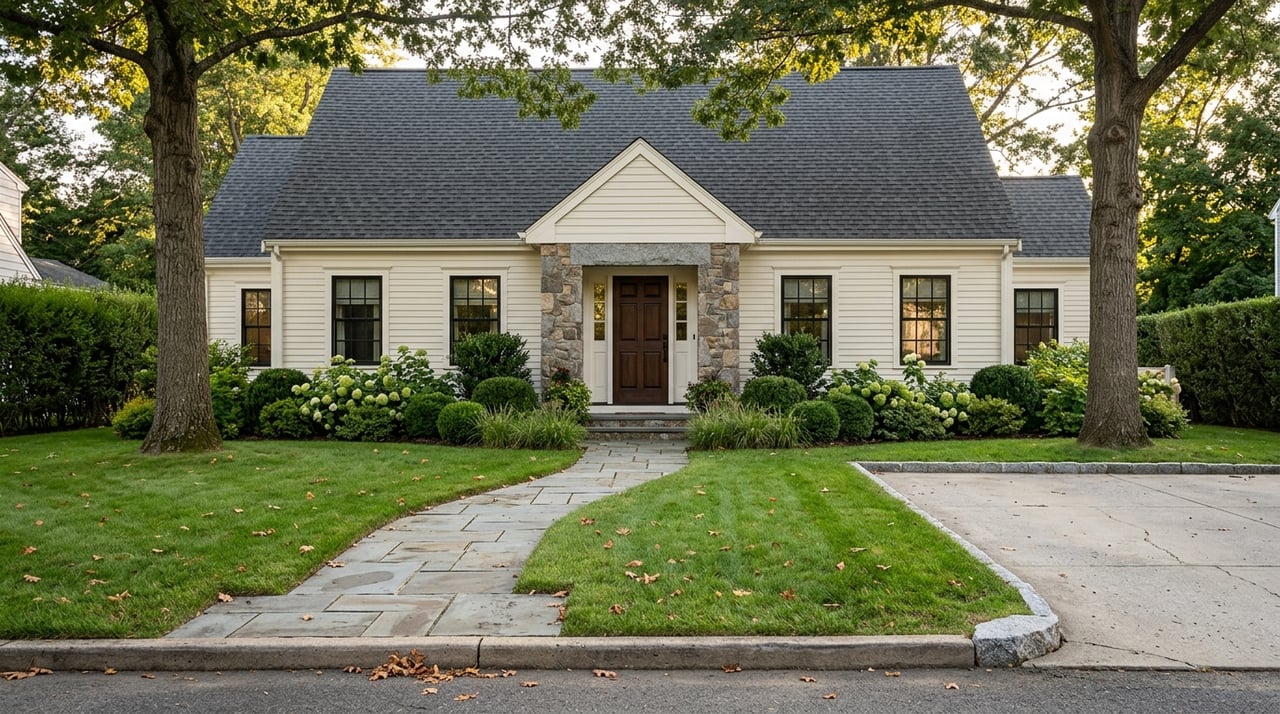
Providence County Suburbs Comparison for Homebuyers
June 11, 2026
June 11, 2026
Trying to choose between Providence County suburbs can feel harder than it should. Two towns may sit just minutes apart, yet offer very different home styles, commute patterns, and everyday amenities. If you are weighing your options around Providence, this guide will help you compare the suburbs that buyers most often consider and understand which tradeoffs matter most. Let’s dive in.
When you buy near Providence, price is only one piece of the decision. The bigger question is how you want to live day to day, from your drive time and road access to the kind of home and neighborhood layout that fits your routine.
Across this group of Providence County suburbs, current median sale prices range from about $424,781 in North Providence to $518,732 in Cumberland. In between, you will find East Providence at $436K, Lincoln at $464,760, Johnston at $492,246, and Cranston at $499,742.
That creates a useful framework for buyers. Some suburbs tend to offer a more compact, close-in feel, while others lean more toward detached homes, green space, or road-based suburban living.
A quick price snapshot can help you narrow your list before you tour homes.
| Suburb | Median Sale Price |
|---|---|
| North Providence | $424,781 |
| East Providence | $436,000 |
| Lincoln | $464,760 |
| Johnston | $492,246 |
| Cranston | $499,742 |
| Cumberland | $518,732 |
Price matters, but it does not tell the whole story. A lower median price may come with denser housing patterns, while a higher median price may reflect a stronger share of detached homes, larger lots, or a more suburban road network.
East Providence offers one of the broadest housing mixes in this comparison. According to the city’s comprehensive plan, its housing stock is roughly 57% single-unit detached, 22% single-unit attached, and 21% multi-family or 2-to-4-unit homes.
That mix can be appealing if you want options. You may find traditional single-family neighborhoods, attached homes, and multifamily housing near commercial corridors, which gives buyers more flexibility than a suburb with one dominant housing type.
East Providence also stands out for location. The connection to Providence through I-195 and the Washington Bridge can be a major advantage, though recent bridge-related traffic changes have affected local travel patterns.
For daily life, East Providence brings more than just convenience. Amenities like Crescent Park, the East Bay Bike Path, waterfront areas, public events, and city recreation resources give it a strong blend of suburban access and activity.
Cranston is one of the most layered choices near Providence. The city’s 2024 housing chapter says 65.6% of the housing stock was single-family by 2021, and that growth was concentrated mostly in single-family homes.
You will also see a wide range of home ages and styles. Cranston’s historic districts include colonial-era homes, Victorian houses, and postwar Cape Cod cottages, which can make your home search feel broader than in a more uniform suburb.
For transportation, Cranston is especially practical. The city identifies I-95, I-295, Route 10, and Route 12 as major highways, and its city profile states it is about 10 minutes to downtown Providence, 10 minutes to T.F. Green International Airport, and 10 minutes to high-speed rail passenger centers.
Cranston also has one of the deepest amenity lists in this group. The city highlights parks, golf courses, libraries, walking tracks, ice rinks, and a 4.5-mile paved bike path, which can make it a strong fit if you want more recreation without giving up regional access.
Johnston offers a different kind of suburban experience. Its comprehensive plan describes parts of town as a mix of mill housing, tenement housing, and single-family development, with newer construction often appearing as infill single-family homes alongside older multifamily buildings.
That pattern matters if you want a broader range of home styles and price points. Rather than feeling built around one housing format, Johnston gives buyers a more varied product mix that can include vintage homes, single-story homes, condos, land, and newer construction.
Transportation is also straightforward. The town notes that Plainfield Street/Pike, or Route 14, is a major transportation route through Johnston, and the Johnston side is predominantly residential.
In terms of amenities, Johnston is more practical than flashy. The town highlights Johnston Memorial Park, municipal facilities, and an active recreation calendar, which may appeal if you want dependable town resources and a familiar suburban base.
North Providence is the most compact suburb in this comparison. The town covers only 5.7 square miles, and its comprehensive plan shows many village areas are dominated by single-family homes on high-density lots, with some areas featuring more concentrated multifamily housing.
If you want to stay close to Providence, that compact scale is important. The town is described as more of a residential community than a job center, and most outbound commuters travel southeast, which gives buyers useful context for commuting patterns.
North Providence is also the lowest-priced suburb in this group, with a median sale price of $424,781. For many buyers, that makes it an appealing starting point when budget and location both matter.
Its amenities support an everyday convenience lifestyle. Notte Park, Meehan Overlook, Wenscott Reservoir, the town library, and a cultural center help give North Providence a close-in suburban feel without trying to be a destination market.
Lincoln tends to skew more detached-home oriented than some of the closer-in suburbs. The town’s housing strategy says 56.1% of units were detached single-family homes, while smaller buildings like duplexes, triplexes, and other small rental structures make up much of the remainder.
That can make Lincoln attractive if you want a more traditional suburban housing pattern. It often feels less centered on dense village blocks and more focused on homes with a little more separation.
Lincoln also offers strong regional access. Its draft 2026 comprehensive plan says I-295 and Route 146 are the primary access routes, and that RIPTA bus routes and railroad stops throughout town provide access to Providence.
On the lifestyle side, Lincoln stands out for outdoor amenities. Buyers who value trails, open space, and active recreation often like Lime Rock Nature Preserve, Handy Pond, the Lincoln Jogging and Fitness Trail, and the town’s broader parks and recreation programming.
Cumberland sits at the more suburban and more expensive end of this group, with a median sale price of $518,732. Planning materials also emphasize the need for a range of housing options, and the town includes single-family subdivisions, detached condos, and some mill-era multifamily and worker housing in its broader housing pattern.
For many buyers, Cumberland’s main draw is its overall suburban feel. The town’s infrastructure points to a more road-oriented layout, with the Highway Department maintaining more than 200 miles of roads.
That does not make Cumberland better or worse than other choices. It simply means your daily experience is likely to be more car-oriented than in a closer-in suburb with a tighter connection to Providence.
Amenities are a strong point here too. Diamond Hill Park, the Warner Trail, Heritage Park, and other recreation resources give Cumberland a strong parks-and-open-space profile.
The smartest way to compare Providence County suburbs is to focus on three things first:
If a quick Providence commute is your top priority, East Providence, North Providence, and Cranston deserve an early look. These towns offer the strongest close-in or highway-connected access based on current planning and transportation information.
If you want more detached homes or stronger access to open space, Lincoln and Cumberland should move up your list. Both offer a more suburban feel, with parks, trails, and housing patterns that may suit buyers looking for more separation and outdoor access.
If you want a middle ground between price, home variety, and suburban convenience, Cranston and Johnston are strong comparisons. Cranston brings a deep amenity base and major highway access, while Johnston offers a broader housing mix tied to older village and corridor development patterns.
Every buyer defines value a little differently. What feels like the best suburb for you depends on whether your top priority is budget, commute, home style, or day-to-day lifestyle.
A simple way to think about this group is:
This kind of comparison can save you time and reduce second-guessing. Instead of touring every possible town, you can focus on the suburbs that best match the way you actually want to live.
If you are planning a move in Providence County, working with a local agent who understands both Providence and its surrounding suburbs can make the search much clearer. For tailored guidance on where to focus, connect with James Hall.
Stay up to date on the latest real estate trends.
Get assistance in determining the current property value, crafting a competitive offer, writing and negotiating a contract, and much more. Contact me today.