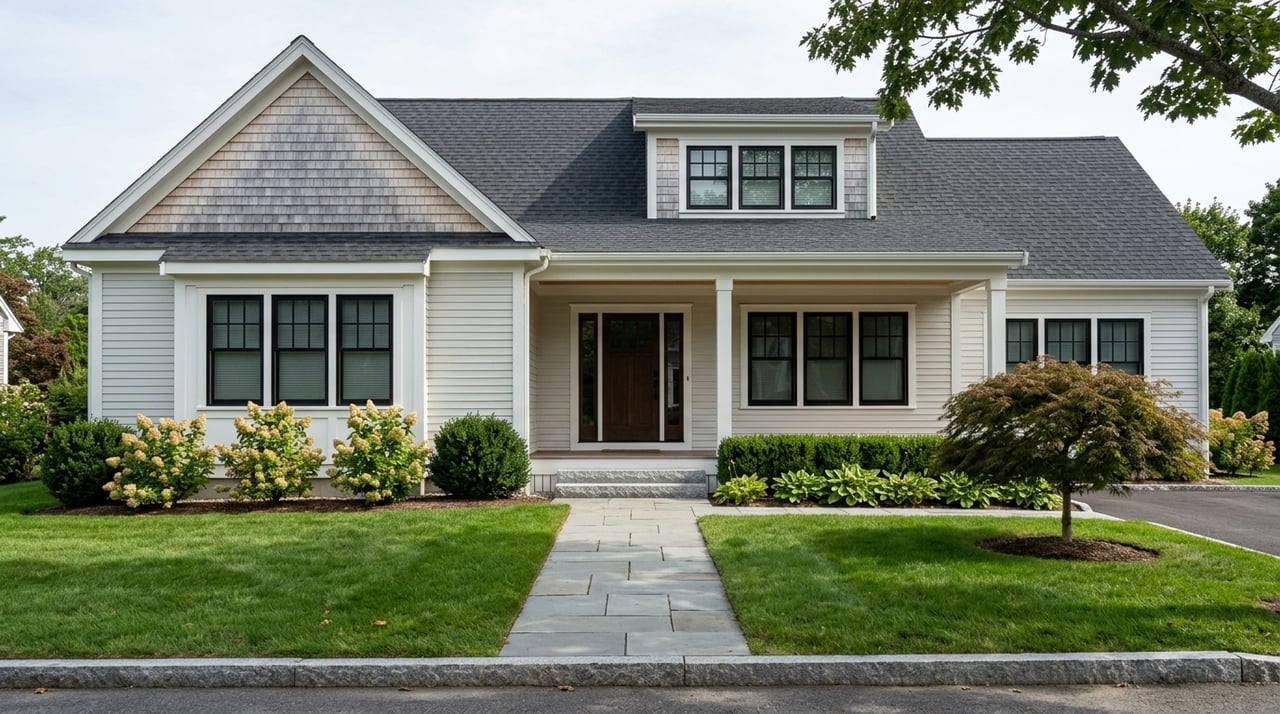
Preparing Your East Side Providence Home To Sell
April 2, 2026
April 2, 2026
Wondering how much you really need to do before listing your East Side Providence home? In this market, preparation can shape how buyers see your property before they ever step through the door. If you want to protect your home’s value, highlight its character, and make a strong first impression online and in person, a smart prep plan can help. Let’s dive in.
East Side Providence is a high-value market where buyers tend to compare condition, finishes, and presentation very closely. As of February 2026, Realtor.com reported a median listing price of $649,000, while the same page showed a 98% sale-to-list ratio and 78 median days on market.
At the same time, Redfin data referenced by Realtor.com’s market context showed a higher median sale price and faster pace using sold-home data. The exact numbers vary by platform, but the bigger point is clear: buyers on the East Side are selective, and homes that feel clean, polished, and easy to understand have an advantage.
That also fits the broader Rhode Island market. RI REALTORS reported that the state ended 2025 with less than a two-month supply of single-family homes, and 22.5% of residential sales involved out-of-state buyers. For East Side sellers, that means your listing may be competing for attention from both local and relocating buyers who rely heavily on photos and first impressions.
Before you think about major renovations, focus on the basics buyers respond to right away. According to the National Association of Realtors 2025 staging snapshot, 83% of buyers’ agents said staging made it easier for buyers to visualize a property as a future home.
That same body of research supports a simple pre-listing priority list. In the NAR 2023 Profile of Home Staging, agents most often recommended decluttering, whole-home cleaning, and removing pets during showings.
If you are deciding where to begin, start here:
This kind of work may seem simple, but it directly supports how buyers shop. NAR also found that photos were much more or more important to clients in most cases, which makes visual preparation one of the most practical steps you can take before listing.
Decluttering is usually the highest-impact first step because it helps buyers see the home itself instead of your belongings. It also makes rooms feel larger, cleaner, and easier to photograph.
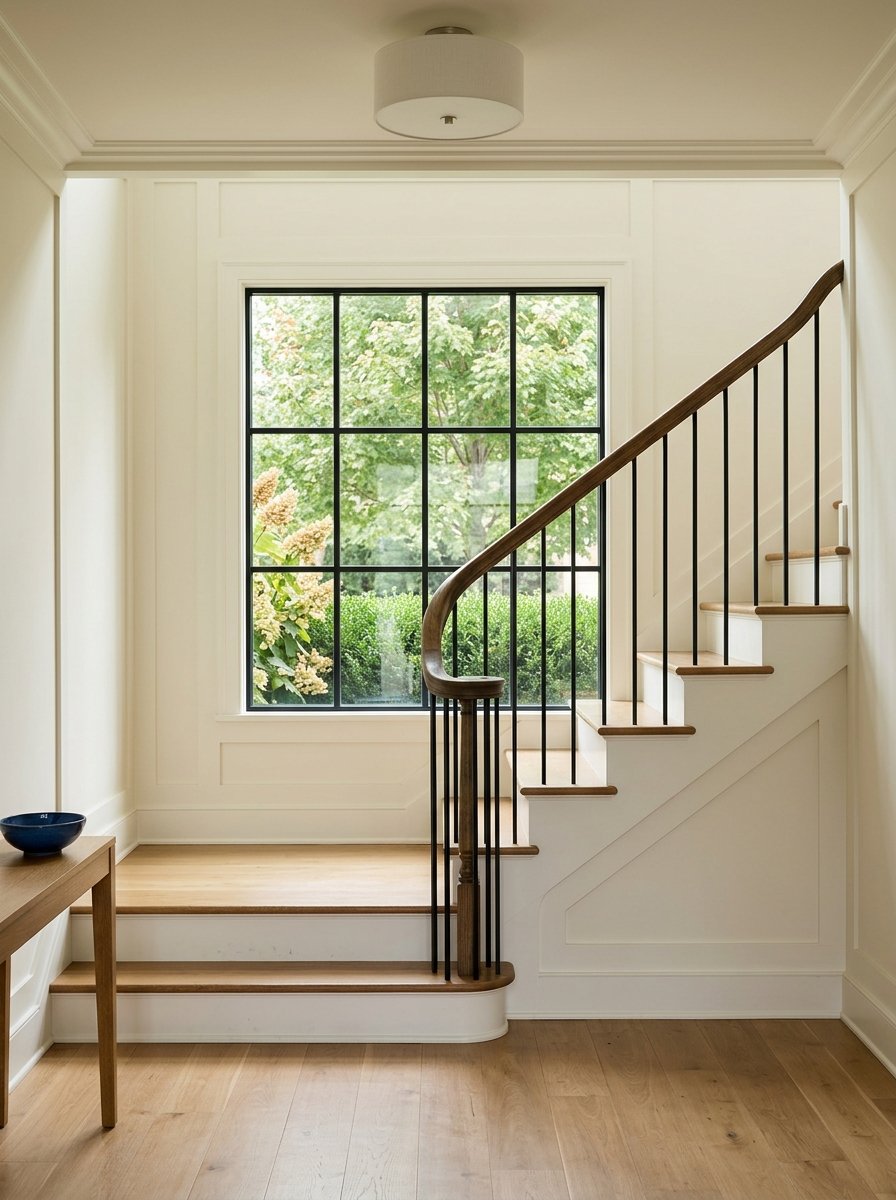
On the East Side, many homes have strong architectural details like tall windows, original trim, fireplaces, built-ins, or graceful staircases. When surfaces and corners are crowded, those details get lost. When you simplify each room, the home’s scale and character become easier to appreciate.
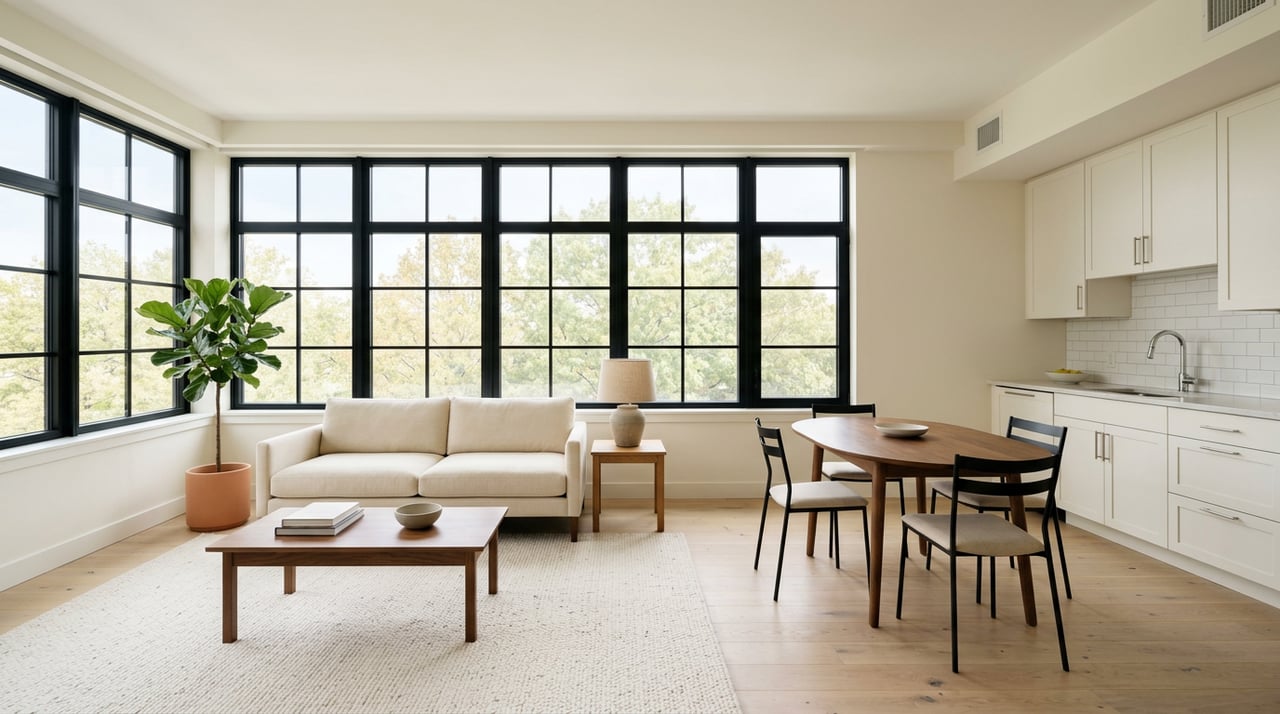
Try to edit with purpose, not strip the house of all personality. You want each room to feel calm, functional, and open, with enough furniture and decor to show how the space lives.
A clean home reads as better maintained, even before a buyer notices specific updates. Dust, streaks, worn grout, and smudged glass may seem minor in daily life, but they stand out quickly in listing photos and showings.
Focus on areas that catch light and draw the eye. Windows, floors, kitchen counters, bathroom surfaces, trim, and entry areas all matter. In a market where buyers are comparing homes online, cleanliness helps create a polished look that supports stronger digital marketing.
If you only have time for one big push after decluttering, make it a full deep clean. It supports every other part of the presentation.
Most sellers do not need to renovate the whole house before listing. In fact, the staging research points more toward visible, cosmetic improvements than large remodeling projects.
That means your best return often comes from fixing the distractions buyers notice immediately. Think loose hardware, dripping faucets, chipped paint, cracked caulk, sticky doors, broken light fixtures, and worn switch plates. These are small issues, but together they can make a home feel less cared for than it actually is.
When buyers walk through a property, they often use visible maintenance as a shortcut for judging overall condition. Taking care of the obvious items helps keep attention on the home’s strengths.
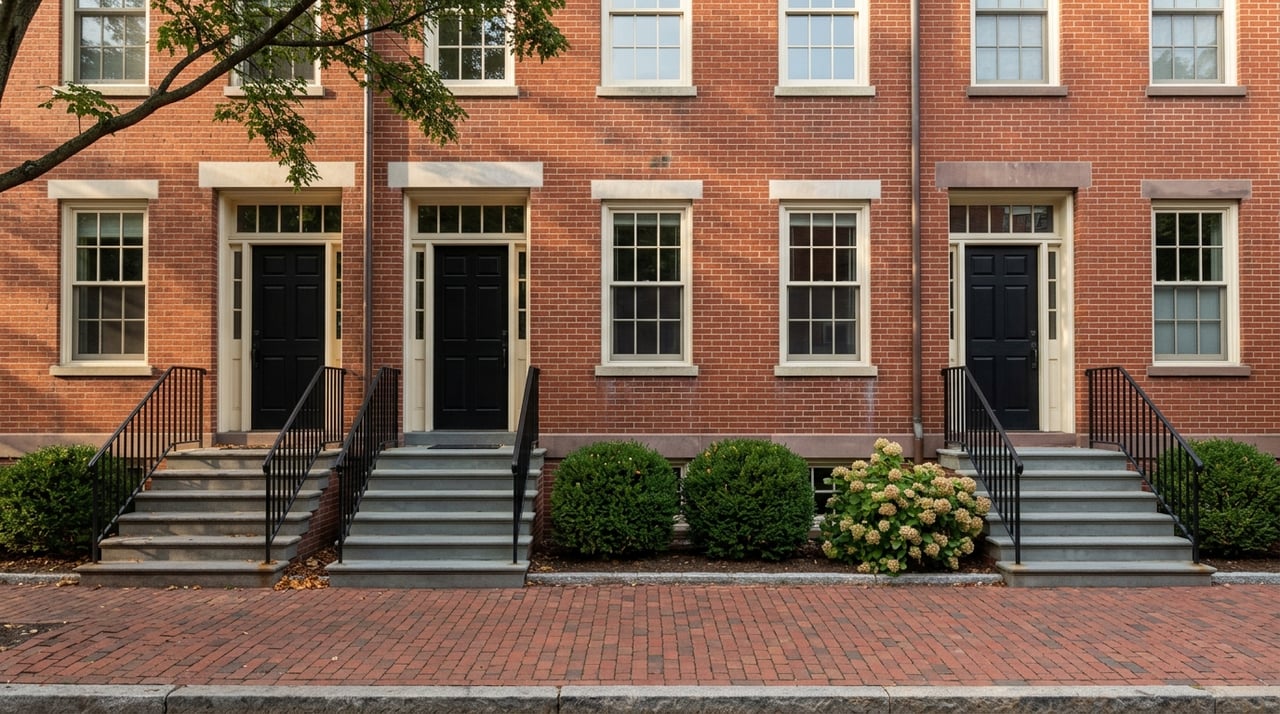
One of the biggest mistakes sellers can make on the East Side is over-correcting and stripping out what makes the home special. This part of Providence includes some of the city’s most historically significant residential areas, and that character is often part of the appeal.
The City of Providence historic district information notes that College Hill contains some of the city’s most distinguished historic architecture, while Stimson Avenue includes a notably intact collection of late-19th-century homes. If your home has original details, they are usually worth showcasing.
That can mean:
You do not want the house to feel dated, but you also do not want it to feel generic. Buyers often respond best when a home feels well maintained, coherent, and true to its design.
If your home is located in a local historic district, exterior work may require review before you can move forward. The Providence Historic District Commission page explains that properties in local historic districts cannot be altered without review and approval, and the Rhode Island Historical Preservation & Heritage Commission guidance states that exterior alterations and new construction must be reviewed.
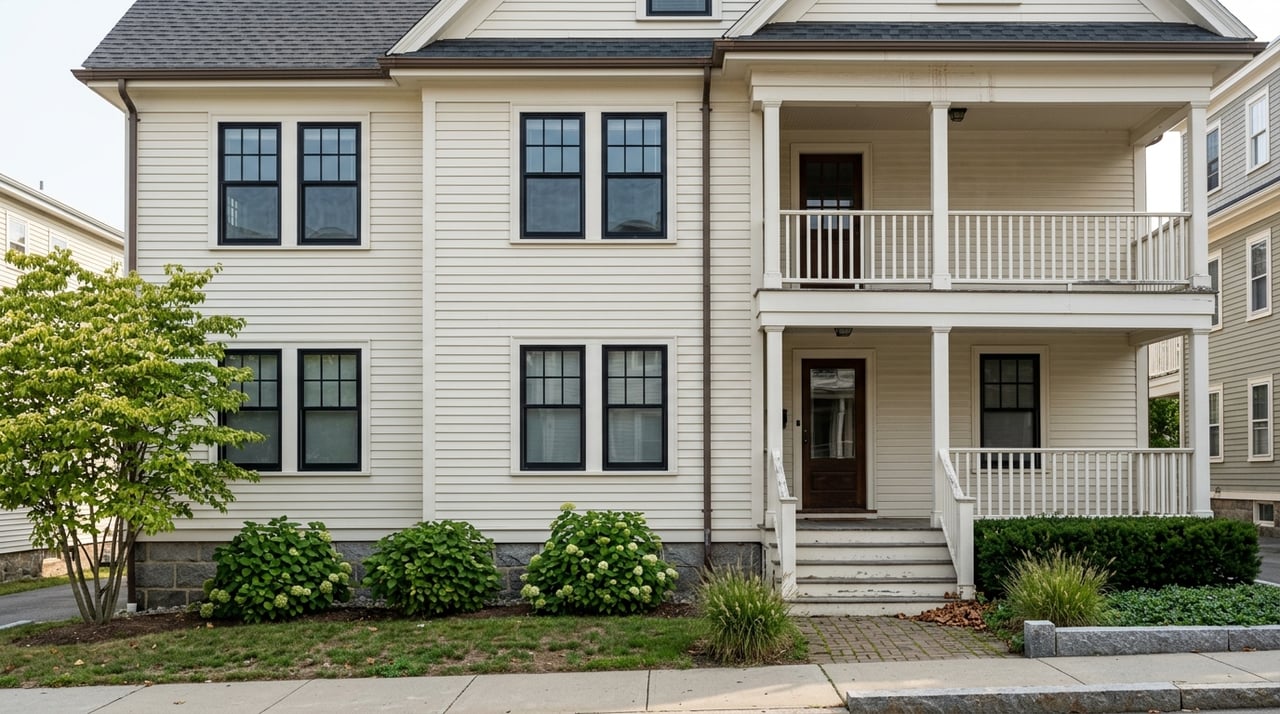
That matters if you are thinking about exterior painting, replacing windows, repairing a porch, or making other visible exterior changes before listing. Interior changes and paint colors are not reviewed under that guidance, but exterior timelines can take longer than expected.
If you are aiming for a spring launch, do not wait until the last minute to start planning visible exterior improvements. Early planning can help you avoid delays and focus your budget where it will matter most.
For older homes, contractor selection matters. The RIHPHC lead safety guidance explains that historic buildings can be made lead safe while preserving significant architectural features.
That is important for East Side sellers because it supports a smarter approach to prep. You do not need to tear out historic materials just to make progress on safety or presentation. Instead, preservation-minded, lead-safe repair work can help protect both the home’s character and its marketability.
If your home needs repairs before listing, it is worth thinking beyond speed alone. The right approach can preserve details buyers value.
You do not always need to stage every room. According to the NAR 2025 staging snapshot, the most commonly staged rooms were the living room, primary bedroom, and dining room.
That is a useful guide for East Side sellers, especially if you want to focus your effort and budget. Start with the spaces that shape the home’s emotional first impression and help buyers understand the layout.
A few practical staging priorities include:
Good staging should help buyers imagine living in the home. It should not distract from the home itself.
In many cases, buyers will form their first opinion of your home from a phone screen. That is why the order of operations matters. The best photos usually come after decluttering, cleaning, touch-ups, and staging are complete.
NAR’s 2023 report found that many sellers’ agents viewed photos as more important than ever to clients. It also found that staging was perceived to increase the dollar value offered in some cases and reduce time on market in others. While results vary by property, those findings support a photo-first mindset.
If your home is not ready for photography, it is not fully ready for launch. Taking a little more time up front can lead to a much stronger debut.
If you are hoping to sell in spring, preparation should begin earlier than you think. Realtor.com’s 2026 Best Time to Sell report identified April 12 through 18, 2026 as the strongest national week to list and noted that Northeast timing tends to align closely with mid-April.
Just as important, the same report said 53% of sellers took one month or less to get their home ready to list. That means many owners are trying to compress prep into a short window.
For an East Side home, especially one with historic features or a more detailed prep list, a better strategy is to work backward from your ideal launch date. Build in time for repairs, approvals if needed, cleaning, staging, photography, and final pricing strategy.
Some sellers want to make strategic improvements but would rather not cover every cost before closing. James Hall can help you explore Compass Concierge as part of your pre-listing strategy, which may help bridge that gap for eligible projects.
That can be especially useful if your home would benefit from decluttering, deep cleaning, cosmetic work, painting, flooring updates, or staging support before going live. It is one more way to approach listing preparation with a plan instead of guesswork.
The right prep strategy is not about doing everything. It is about doing the right things in the right order so your home shows well, photographs well, and enters the market with confidence.
If you are thinking about selling, James Hall can help you build a clear, personalized plan for your East Side Providence home, from preparation and pricing to launch strategy and marketing. Schedule a free consultation to talk through the smartest next steps for your property.
Stay up to date on the latest real estate trends.
Get assistance in determining the current property value, crafting a competitive offer, writing and negotiating a contract, and much more. Contact me today.