What It’s Like To Live In A Downtown Providence Loft
July 2, 2026
July 2, 2026
If you love the idea of city living with character, a Downtown Providence loft can feel like a great match right away. It offers a very different experience from a conventional apartment or suburban home, with open layouts, historic architecture, and easy access to restaurants, transit, and arts venues. At the same time, loft living comes with tradeoffs that are worth understanding before you buy. Here’s what you can expect day to day in a Downtown Providence loft, and how to tell if the lifestyle fits you.
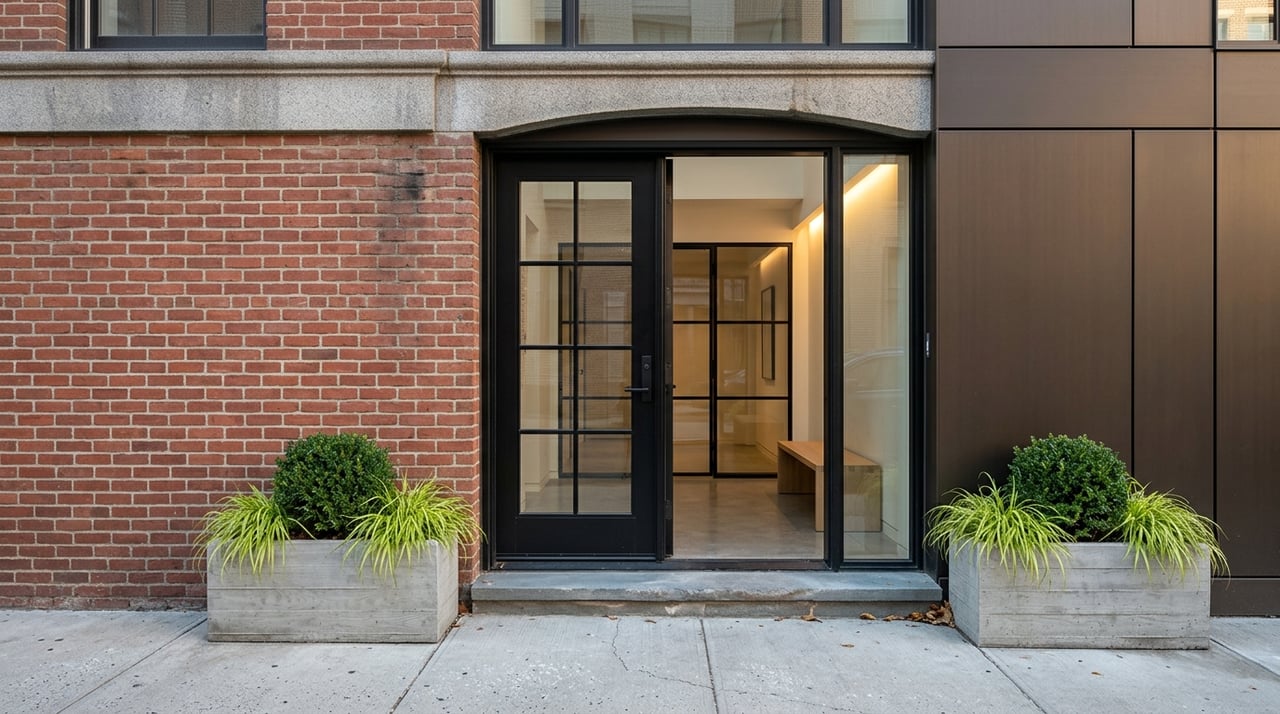
One of the biggest draws of a Downtown Providence loft is the setting itself. Downtown zoning is designed to preserve historic building fabric, support compatible development, and encourage a pedestrian-oriented mix of arts, entertainment, and housing. That means many loft-style homes are part of adaptive reuse and mixed-use buildings rather than stand-alone residential communities.
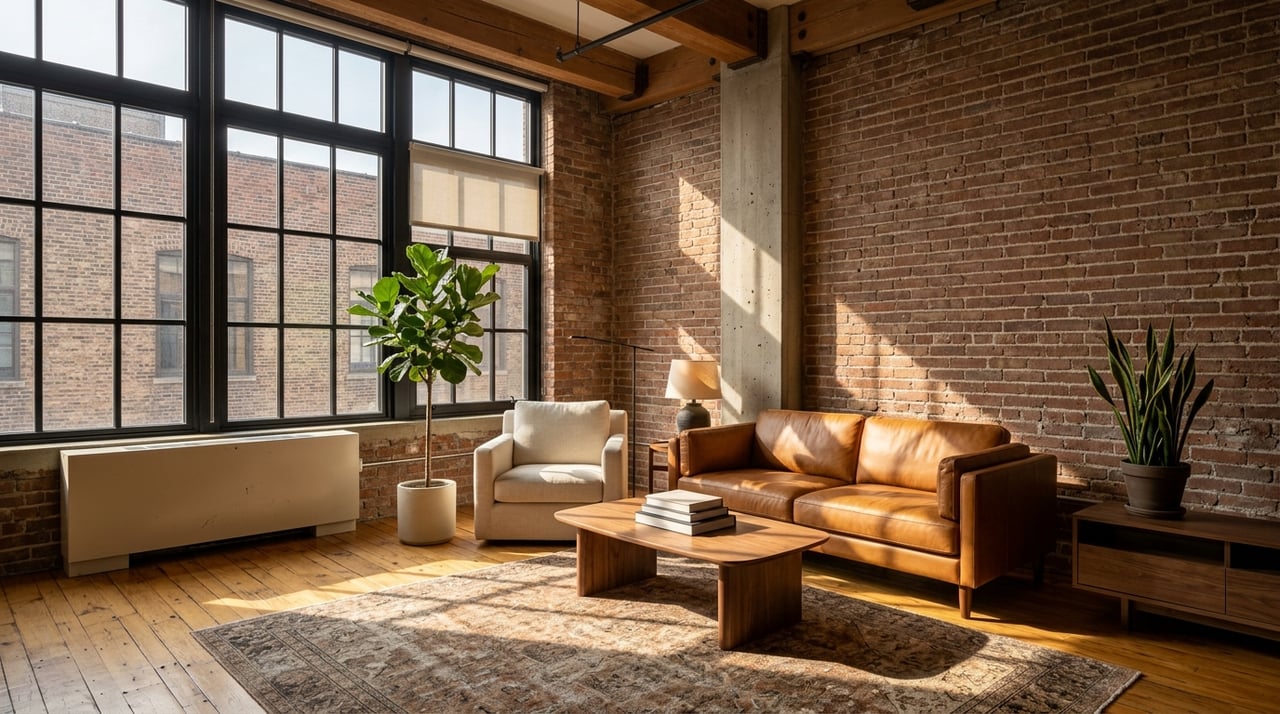
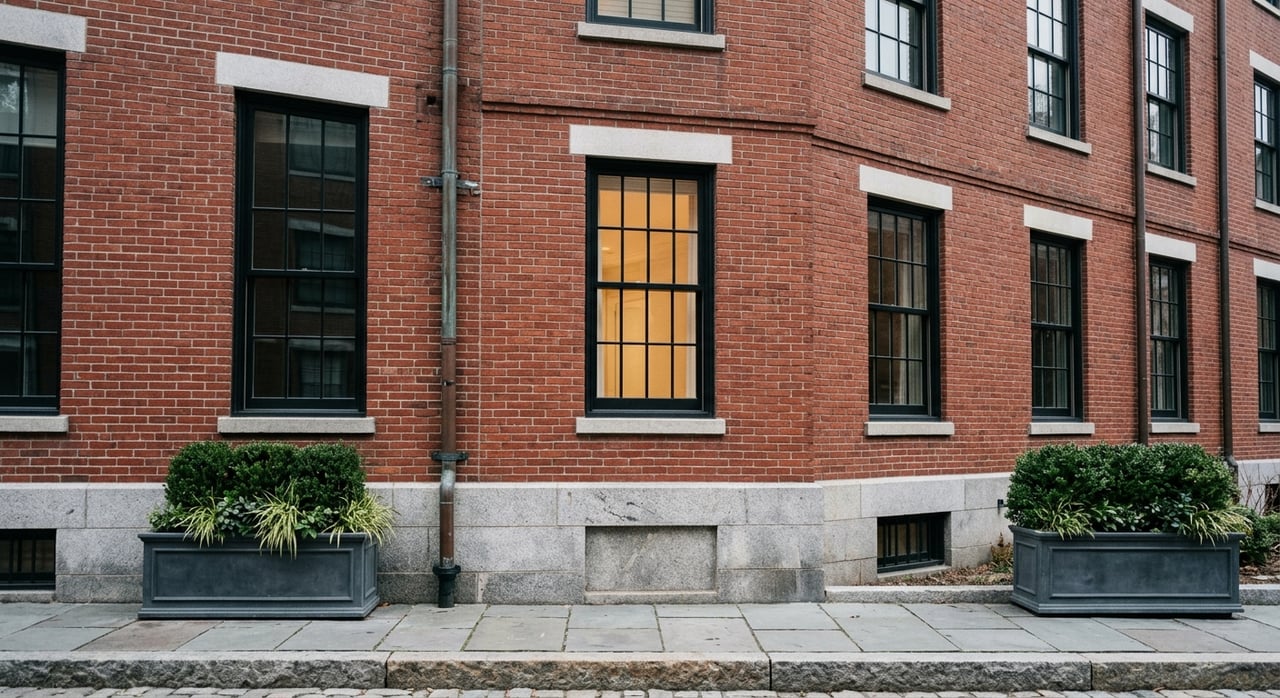
In practical terms, you often get a home with details that feel hard to replicate in newer construction. Common loft features include open floor plans, high ceilings, large windows, exposed brick, visible piping or support beams, and wood or concrete floors. If you want a home with visual personality, loft living often delivers that in a big way.
Downtown Providence also has a strong history of industrial and commercial buildings being repurposed for residential use. In nearby historic districts tied to the city’s manufacturing past, multistory factory buildings and former industrial buildings have been converted for mixed commercial and residential use. That history helps explain why loft living here often feels authentic rather than styled to imitate an older building.
A loft usually trades extra interior walls for one large main living space. For many buyers, that creates a sense of openness that feels comfortable, flexible, and modern. You can often shape the space around how you actually live, whether that means adding a dining area, a work zone, or a reading corner within the main room.
That flexibility is a real benefit if you do not need a lot of closed-off rooms. A loft can make everyday life feel less segmented, which many people enjoy. It can also give you more freedom in how you arrange furniture and define separate uses within one larger area.
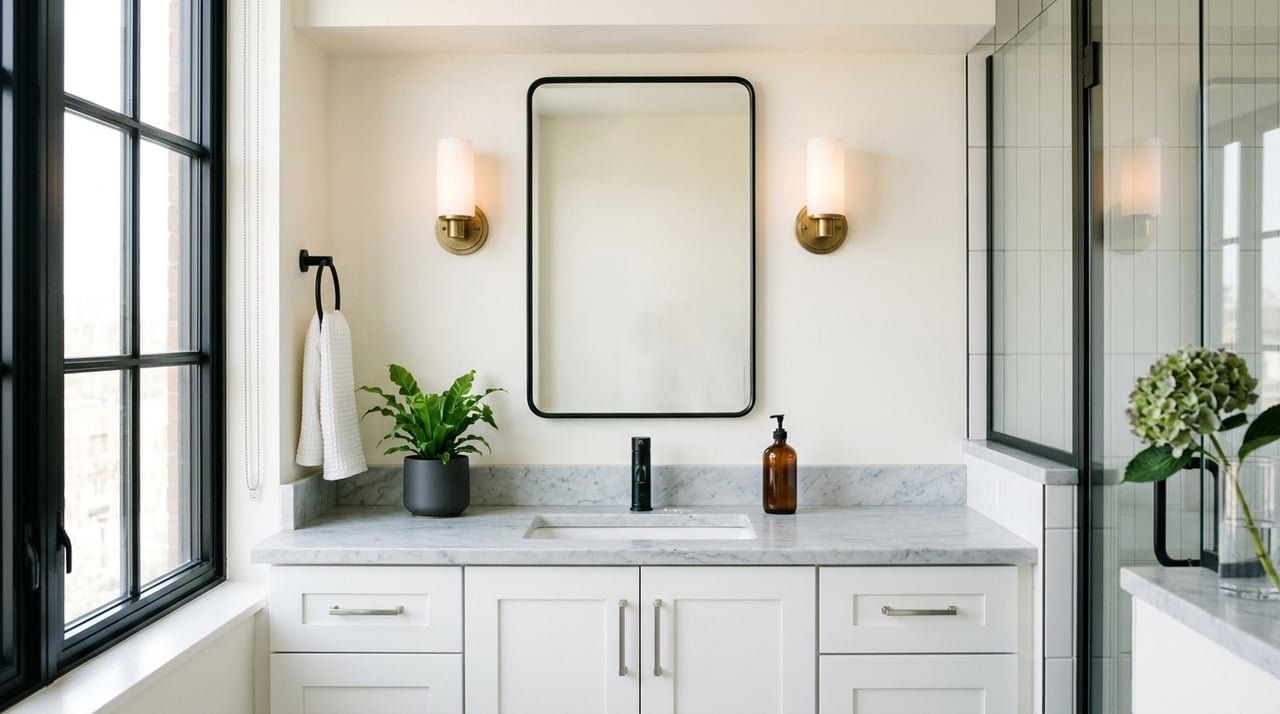
In many lofts, daylight enters mainly from one or two perimeter walls. That means the areas closest to the windows often feel brightest, while the deeper parts of the unit may need additional lighting. When you tour a loft, this is something to pay close attention to.
A layout that looks great in photos may feel different in person depending on where the windows are placed. If you work from home, cook often, or want a clearly defined sleeping area, natural light can affect how comfortable the unit feels. It is smart to think beyond square footage and focus on how the space will function throughout the day.
Open-concept living can look clean and stylish, but it usually asks more of you when it comes to organization. In a loft, storage is often more visible because there are fewer separate rooms and fewer places to hide everyday items. That can make closets, built-ins, and furniture with storage especially important.
You may also need to be intentional about creating zones for sleeping, dining, working, and relaxing. Rugs, shelving, lighting, and furniture placement can all help define the space. If you prefer a home where everything already has a clearly enclosed place, a loft may require a little more planning.
Lofts feel airy in part because they are open, but that same openness can let sound travel more easily. Music, television, phone calls, and daily activity often carry farther in an open-plan home than they would in a more divided layout. For some buyers, that is no big deal. For others, it becomes a deciding factor.
Privacy can also feel different in a loft. If you want clear separation between your sleeping area and your work or living area, you will want to study the floor plan closely. Not every loft offers the same level of flexibility when it comes to creating visual or acoustic separation.
Living in a Downtown Providence loft usually means living near activity. Downtown is intentionally designed to support pedestrian-oriented day and night use tied to housing, arts, and entertainment. That street-level energy is part of what many buyers find appealing.
Popular downtown destinations help shape that atmosphere. The area includes arts and entertainment venues such as PPAC, AS220, and the riverfront events associated with WaterFire. If your loft is close to these active corridors, you may notice more evening foot traffic and occasional event-night noise than you would in a quieter residential setting.
For many people, that is a plus. You can step outside and feel connected to what is happening in the city. But if quiet is one of your top priorities, it is worth paying close attention to the building’s location and the activity patterns nearby.
A major perk of downtown loft living is convenience. Downtown Providence offers a wide range of dining options, including cafes, bakeries, pizza, takeout, patios, seafood, Italian restaurants, food halls, and special-occasion spots. Having those choices nearby can make everyday life feel easier and more spontaneous.
This kind of convenience can change how you use the city. You may find yourself walking out for coffee, meeting friends for dinner without much planning, or enjoying a quick errand run on foot. For buyers who want a more connected, less car-dependent routine, this is often a key part of the appeal.
Downtown Providence is also a strong fit if transit matters to you. RIPTA serves downtown with 58 bus lines and about 3,000 daily trips, and the Downtown Transit Connector runs every 5 minutes between Providence Station and the Hospital District. Kennedy Plaza is also a major transfer point in the downtown system.
Regional travel is another strength. Downtown Providence notes MBTA commuter rail service with 14 daily round trips between Boston and Providence, and Providence Station is also served by Amtrak’s Acela and Northeast Regional service. If you commute, travel often, or simply want options beyond driving, this can be one of the biggest lifestyle benefits of living downtown.
Parking in Downtown Providence is available, but it is usually part of the tradeoff that comes with city living. The main options are garages, surface lots, and metered street parking. That is very different from the built-in convenience many buyers are used to in less urban settings.
Downtown Providence says most meters cost $1.25 per hour, with enforcement Monday through Saturday from 8:00 a.m. to 9:00 p.m. Sundays and holidays are free, and overnight street parking requires a permit from 2:00 a.m. to 5:00 a.m. If you own a car, you will want to understand your building’s parking setup and what your day-to-day routine will realistically look like.
Another factor that shapes downtown living is the work of the Downtown Providence Improvement District. The district supports sidewalk cleaning, landscaping, beautification, public safety programs, marketing, promotion, and community events. Those efforts help maintain the walkable, active feel of downtown.
That does not mean every block feels the same, but it does mean there is an organized effort behind the street-level environment. For buyers considering a loft, that broader context matters because your experience is not just about the unit itself. It is also about what it feels like when you leave the building and move through the neighborhood.
A Downtown Providence loft tends to work best if you value walkability, transit access, restaurant proximity, and distinctive historic surroundings. It can be a great fit if you like open space, appreciate architectural details, and enjoy being close to downtown activity. Buyers who want a home that feels visually unique often respond strongly to this style of property.
It may be less ideal if your top priorities are a very quiet setting, lots of built-in storage, or strong separation between work, sleep, and living areas. In that case, the specific floor plan matters a lot. You will want to look carefully at light exposure, window placement, storage, and proximity to the most active downtown corridors.
If you are thinking about buying a loft downtown, it helps to go beyond first impressions. Character is important, but function matters just as much once you are living in the space every day.
Here are a few smart things to evaluate during a tour:
A great loft is not just stylish. It should also support the way you live.
If you are comparing lofts in Downtown Providence or trying to decide whether this lifestyle is the right fit, James Hall can help you evaluate the details that matter and find a home that matches your goals.
Stay up to date on the latest real estate trends.


Get assistance in determining the current property value, crafting a competitive offer, writing and negotiating a contract, and much more. Contact me today.