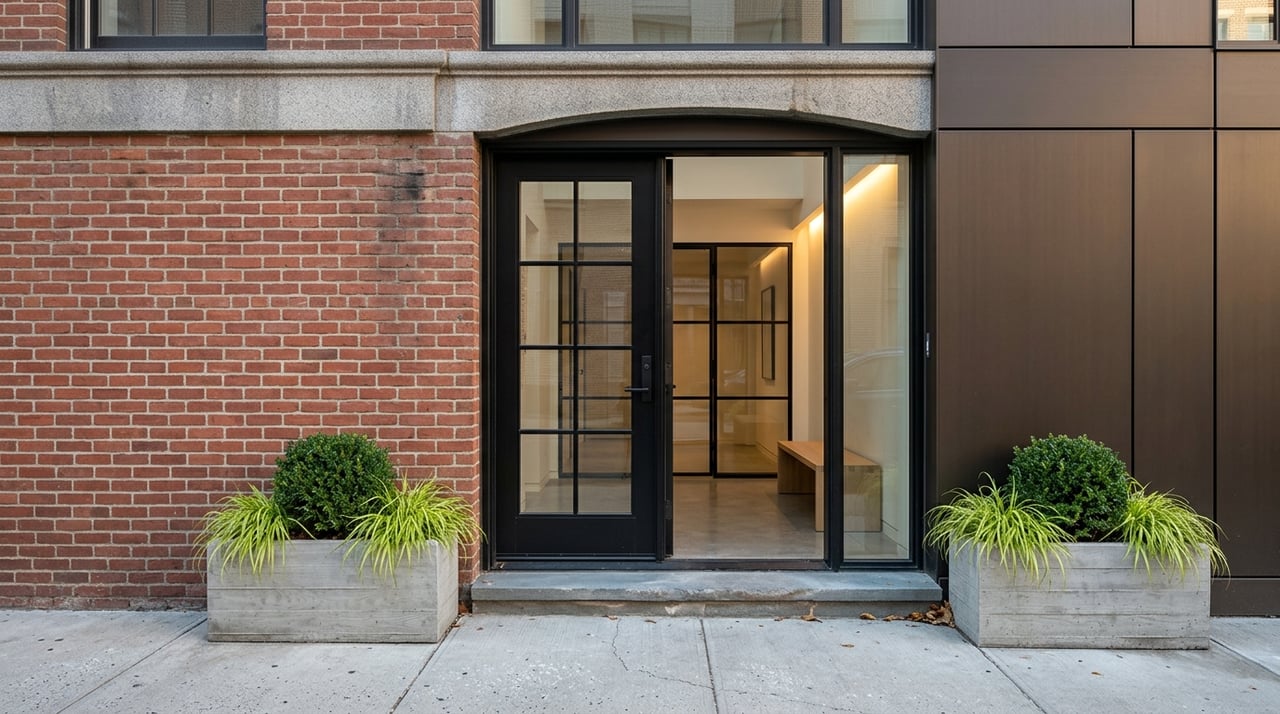
Historic vs New Condos in Downtown Providence
July 9, 2026
July 9, 2026
Wondering whether a historic conversion or a new build condo is the better fit in Downtown Providence? It is a smart question, because in this part of the city, the building itself can shape your day-to-day experience just as much as the unit finishes. If you are comparing options, this guide will help you weigh character, maintenance, HOA planning, and long-term value so you can buy with more confidence. Let’s dive in.
Downtown Providence is not a one-style condo market. It is a mixed-use urban core where housing, offices, retail, and institutions overlap, and the city identifies downtown and the East Side as primary areas for both new construction and adaptive reuse.
That matters because Providence also has an older housing stock. The city reports that 75% of ownership units were built before 1959, and it notes that many properties need significant investment to remain habitable and accessible. In Downtown Providence, that older fabric is especially visible, with a historic district that includes architecture from roughly 1870 to 1930 alongside newer buildings.
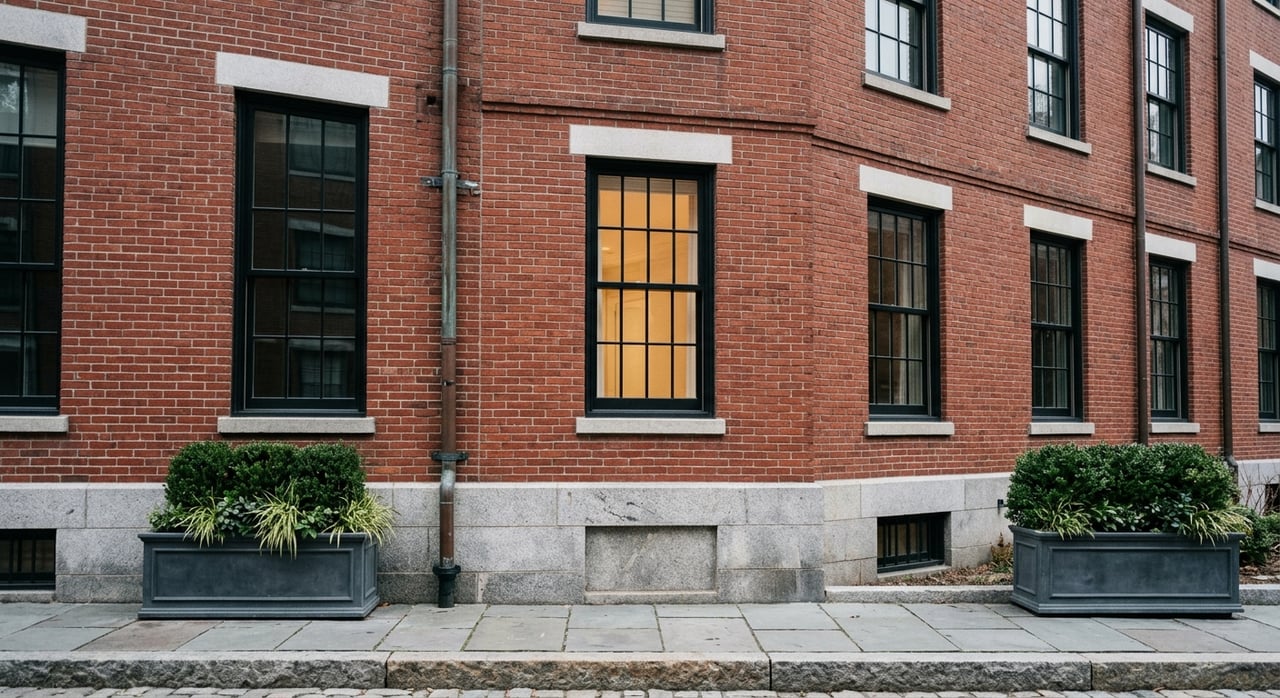
Historic conversion condos usually come from older commercial, industrial, or institutional buildings that were repurposed for residential use. In Downtown Providence, that often means a home with architectural character and a strong connection to the city’s built history.
If you are drawn to original materials, distinctive facades, and a one-of-a-kind feel, a historic conversion may check the right boxes. These properties often appeal to buyers who value charm, central location, and the experience of living in a building with a story.
One of the biggest reasons buyers choose a historic conversion is character. Layouts may feel less cookie-cutter, and the building itself often contributes a sense of place that newer construction is still trying to recreate.
In Providence, developers have explicitly described downtown work as preserving historic architecture, reusing historic buildings, and adding new structures that fit their surroundings. That gives many conversion properties a strong identity within the downtown streetscape.
Charm is only part of the picture. Because these buildings start with an older shell, buyers should pay close attention to roofs, masonry, windows, elevators, and mechanical systems that serve the building as common elements.
Rhode Island condo law generally places responsibility for common elements on the association and responsibility for the unit on the owner, unless the declaration says otherwise. In a historic conversion, that can make reserve planning and capital budgeting especially important.
If you think you may want to make visible exterior changes, ask questions early. Downtown Providence uses a design-review process intended to preserve the historic urban fabric and ensure that new development and exterior improvements fit the area’s character.
Depending on the property, exterior work may also involve historic-district review. That does not mean changes are impossible, but it does mean the process may be more structured than what you would see in a typical newer condo community.
A new build condo often appeals to buyers who want a more turnkey experience. In general, newer downtown buildings tend to offer newer systems, more contemporary layouts, and amenity packages that are easier to understand from the start.
That can be especially attractive if you want predictable maintenance in the near term, modern common areas, or features that support a lock-and-leave lifestyle. In a downtown setting, those details can make daily living feel simpler.
A newly constructed building may lower some near-term uncertainty because major systems have just been installed. That does not remove the need for due diligence, but it can change the risk profile compared with an older conversion.
For many buyers, that translates to more comfort around items like HVAC, elevators, roofing, and building infrastructure. The appeal is not just cosmetic. It is also practical.
Newer downtown projects often come with a modern amenity package. As one local example, the Nightingale Building opened in 2021 with features such as a fitness center, co-working space, indoor parking, bike storage, an elevated courtyard, and a roof deck.
That property is a rental rather than a condo building, but it still shows the kind of systems-and-amenities profile many buyers associate with newer downtown construction. If amenities matter to you, new build options may line up more closely with that expectation.
A new condo downtown is not the same as suburban new construction. Providence’s downtown standards are designed to preserve historic urban fabric while allowing compatible development, and the Downtown Design Review Committee reviews new construction and major exterior changes.
So even when a building is brand new, it is still shaped by the surrounding historic context. That often creates a middle ground for buyers who want modern interiors without giving up a downtown Providence feel.
Whether you choose old or new, the condo association deserves close review. The most important issues are often behind the walls, not in the kitchen finishes or lobby design.
Rhode Island law allows associations to adopt budgets for revenues, expenditures, and reserves, and common-expense assessments must be made at least annually based on an adopted budget. For you as a buyer, that makes the association’s planning habits a core part of the decision.
In a historic conversion, reserve planning can carry more weight because older common elements may require more attention over time. A beautiful masonry facade or older elevator system may add appeal, but it can also mean more future capital work.
That does not automatically make a historic condo a poor choice. It simply means you should understand how the association is preparing for those needs.
A newer building is not a pass on due diligence. You still need to understand the budget, reserve contributions, insurance structure, and whether the building is under declarant control or subject to future development rights.
If development rights exist, Rhode Island law requires disclosure of the maximum number of units, future phases, and how those additions may affect the project. For buyers, that is important context before you commit.
Rhode Island gives condo buyers useful visibility into association records. Before closing, the seller must provide the declaration, bylaws, association rules, and a resale certificate.
That resale certificate must include the monthly common-expense assessment, unpaid common or special assessments, other fees, and anticipated capital expenditures for the current and next two fiscal years. The association must furnish the certificate within 10 days of request, and the law allows a fee of up to $125 for preparation.
These records can tell you far more than a showing ever will. They can also help you spot deferred maintenance, special assessment discussions, or changes that may affect your monthly costs.
The right questions can quickly reveal whether a condo is truly a fit. They also help you compare a historic conversion and a new build on the same terms.
If you love character, historic context, and the idea of living in a building with architectural presence, a historic conversion may be the better match. You may be more willing to study reserve planning and common-element responsibilities in exchange for that unique setting.
If you prefer newer systems, a more turnkey feel, and a more predictable amenity profile, a new build condo may fit your lifestyle better. You may value convenience and ease, while still wanting a home that feels connected to downtown Providence.
The best choice usually comes down to how you balance personality, maintenance risk, and long-term planning. In both cases, the strongest buyers look beyond finishes and focus on the association structure, insurance profile, and capital plan.
If you are comparing condo options in Downtown Providence and want practical, local guidance, James Hall can help you evaluate the details that matter and move forward with confidence.
Stay up to date on the latest real estate trends.




Get assistance in determining the current property value, crafting a competitive offer, writing and negotiating a contract, and much more. Contact me today.