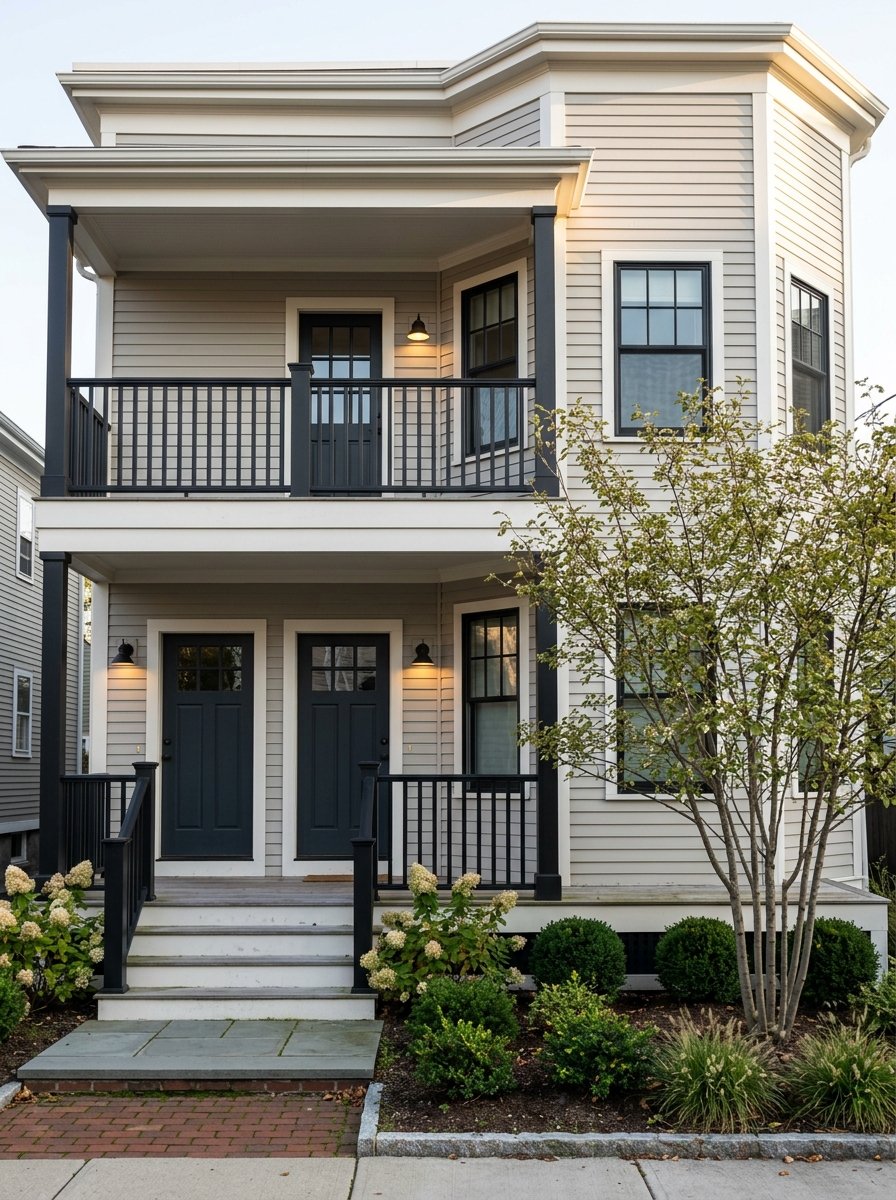
Providence County House Hacking for Multi-Family Buyers
June 25, 2026
June 25, 2026
If you have looked at Providence multi-unit homes lately, you have probably noticed one thing right away: they are not exactly bargain buys. That can make house hacking feel confusing at first, especially if you are hoping rent from another unit will instantly make ownership easy. The good news is that Providence County can still be a practical place to use this strategy if you go in with clear numbers and realistic expectations. Let’s dive in.
House hacking means you buy a home, live in one unit, and rent out the other unit or units to help offset your housing costs. In Providence County, that idea can appeal to buyers who want a path into ownership without taking on the full monthly payment alone.
Current market data helps explain why this gets attention here. Realtor.com reports a median listing price of $459,900 in Providence County, with median rent at $2,129 per month. In Providence itself, listing prices are roughly $439,900 to $450,000, while rents are around $2,300 to $2,350 per month.
That rent-to-price gap creates opportunity, but it does not mean every building will pay for itself. Redfin shows the median asking price for multi-family listings at $629,000 in Providence County and $690,000 in Providence. In other words, the strategy here is often about reducing your out-of-pocket housing cost, not automatically eliminating it.
Providence has a housing stock where small multi-unit properties are a normal part of the market. The city zoning code specifically distinguishes single-family, two-family, three-family, and multi-family dwellings, which helps explain why duplexes and triplexes are common enough to be a real option for owner-occupants.
The zoning structure also matters because each parcel can have different limits tied to lot size, setbacks, parking, and other standards. Two properties may look similar online, but their actual use and future flexibility can be very different once you review the details.
For many buyers, a duplex is the most straightforward version of house hacking. You live in one unit and rent the other, which keeps the setup simpler and often easier to manage day to day.
A duplex can also feel more approachable if you are becoming a landlord for the first time. With only one rental unit to oversee, tenant communication, maintenance, and turnover may feel more manageable.
A triplex can offer more rental income potential because you may have two units producing rent while you live in the third. That can help with monthly carrying costs, especially in a market where purchase prices for small multifamily homes are relatively high.
At the same time, a triplex usually means more moving parts. More tenants often means more leases, more maintenance coordination, and a greater need to stay organized.
A four-unit property can be appealing on paper because of the added income potential, but it is usually the most operationally demanding option. Providence’s Fire Prevention Bureau distinguishes between 1-, 2-, and 3-family dwellings and 4+ unit or commercial properties, with separate permit and inspection paths.
That does not mean a four-unit property is off the table. It simply means you should go in knowing that larger buildings often bring more compliance steps and more hands-on ownership responsibilities.
One of the biggest reasons house hacking works for some buyers is access to owner-occupied financing. If you plan to live in the property yourself, you may have more options than you would for a purely investment purchase.
HUD says FHA financing can require as little as 3.5% down on 1-to-4-unit properties. HUD also says at least one borrower must occupy the home within 60 days of signing and intend to live there for at least one year.
That can make FHA a useful option for first-time buyers who want to enter the market through a duplex, triplex, or four-unit property. The key is that this is an owner-occupant path, not an absentee-landlord shortcut.
Conventional financing can also be a fit. CFPB Appendix Q says rent from a multiple-unit property where you live in one or more units may be used for qualifying purposes, provided it is documented properly.
That documentation may include a current lease, an agreement to lease, or a 24-month rental history. This is important because projected rent can help support your application, but lenders will want documentation rather than guesswork.
For eligible first-time buyers, Rhode Island Housing may be especially relevant. Its Extra Assistance program allows a 1-to-4-family home or condominium in Rhode Island, requires owner occupancy, and offers up to 6% of the purchase price or $20,000.
The program also requires a minimum 620 credit score and homebuyer education. For some buyers, that assistance can make the difference between waiting and moving forward now.
When buyers first look at house hacking, they often focus on mortgage versus rent. That is a good start, but it is not the whole picture.
You will also want to think about taxes, insurance, utilities, maintenance, repairs, vacancies, and the cost of bringing a property into compliance if needed. In Providence County, where multifamily asking prices are often much higher than the overall home median, these details can shape whether the plan feels sustainable.
A smart goal is to ask, “Will this lower my monthly housing cost to a level that feels comfortable?” That question is often more helpful than asking whether the property will fully cover itself from day one.
If you rent out part of your property, you are not just a homeowner. You are also taking on landlord responsibilities, and Rhode Island has specific rules you need to know.
Rhode Island requires landlords to register rental properties with the state Rental Registry. According to the state, owners who rent residential properties must register, including single-family homes, multi-family units, condos, and apartment complexes.
New owners must register within 30 days of acquisition or leasing, and annual re-registration is due by October 1. The state also notes that owners who do not comply can face penalties, and the FAQs say landlords cannot file for eviction for nonpayment unless the property is registered and compliant.
Lead is a major issue in Rhode Island because many homes were built before 1978. The Rhode Island Department of Health says most homes in the state are likely to contain lead paint, and landlords of rental units built before 1978 generally must follow lead hazard mitigation rules unless an exemption applies.
This matters even more in a duplex or triplex because lead certificates are typically unit-specific. If you live in one unit and rent another, the rental unit may have its own compliance requirements.
Rhode Island’s 2024 Landlord Tenant Handbook covers landlord and tenant rights and duties under state law. It addresses topics such as disclosures and registration, maintenance and repairs, lease creation, rent increases, minimum housing standards, and lead safety.
For a first-time house hacker, this is an important mindset shift. You are not just buying a place to live. You are also stepping into a small-scale housing business that requires attention and consistency.
When you tour a duplex, triplex, or four-unit property, it helps to look beyond finishes and square footage. A beautiful kitchen matters, but so do the practical details that affect cost and compliance.
Here are a few smart questions to ask as you compare options:
That kind of review can help you avoid buying a property that looks good online but feels financially or operationally stressful once you own it.
House hacking in Providence County is possible, but it works best when you treat it as a strategy, not a shortcut. The market offers real opportunity, yet the higher cost of small multifamily properties means your financing plan, rent assumptions, and compliance prep all matter.
This is where a local, hands-on approach can make a big difference. If you want help comparing Providence multi-unit opportunities, understanding how a property fits your goals, or building a realistic plan for owner-occupied buying, James Hall can help you move forward with clear advice and responsive support.
Stay up to date on the latest real estate trends.




Get assistance in determining the current property value, crafting a competitive offer, writing and negotiating a contract, and much more. Contact me today.