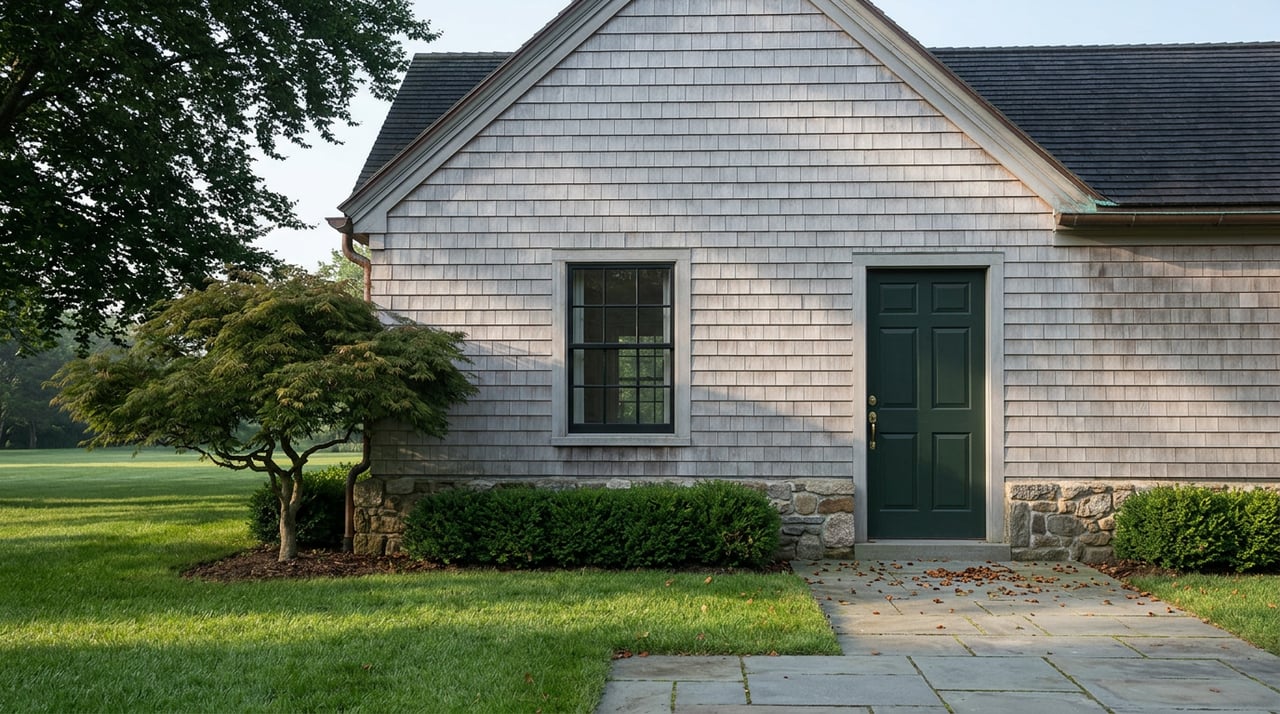
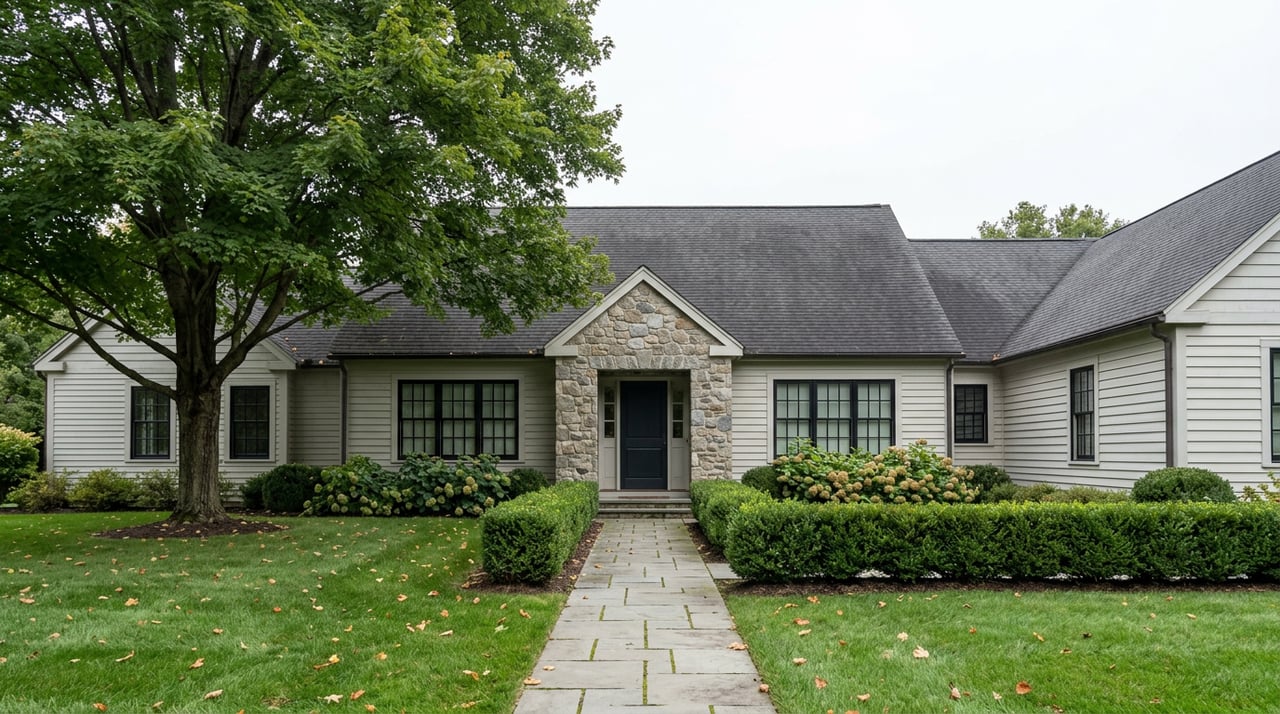
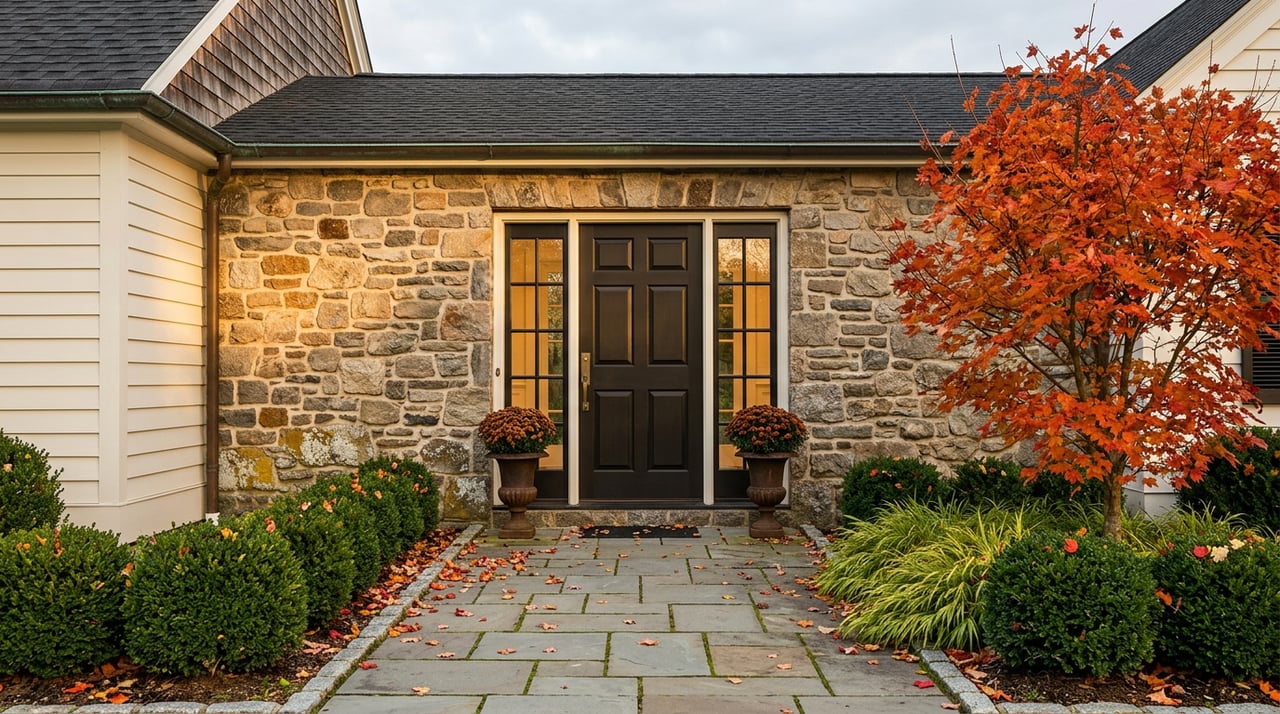
Thinking about listing a classic East Side home or a charming East Providence colonial and wondering if a pre-inspection is worth it? You are not alone. Older and historic properties shine with character, but they can hide age-related issues that complicate a sale. In this guide, you will learn when a seller pre-inspection makes sense, which inspections to consider, what they cost, how findings shape repairs and marketing, and how to plan your timeline. Let’s dive in.
What a seller pre-inspection is
A seller pre-inspection is a home inspection you order before your property goes on the market. The goal is to identify safety issues, major defects, and common buyer concerns so you can decide what to fix, disclose, or price into the listing. Most sellers start with a general inspection, then add targeted specialists based on age and condition, such as chimney, sewer scope, HVAC, oil tank, lead paint, radon, pest, asbestos, or a structural engineer.
Why it matters on the East Side
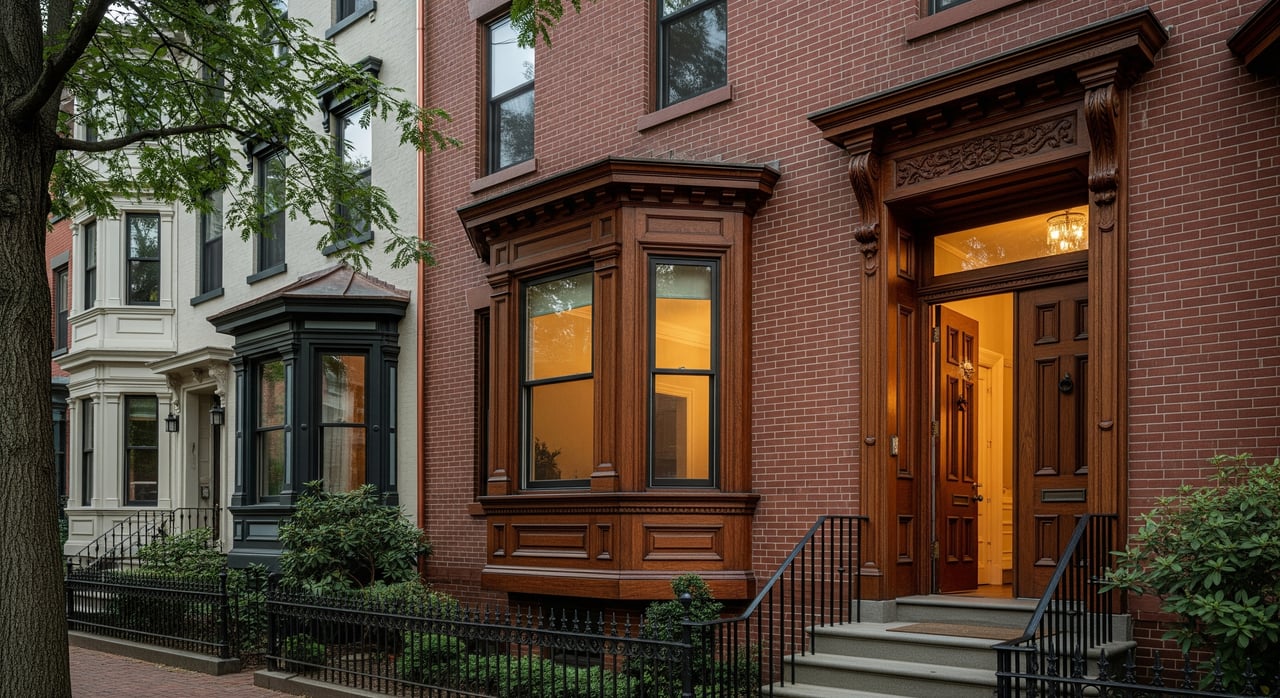
Providence’s East Side neighborhoods and nearby East Providence include many pre-1920 and mid-century homes with slate roofs, masonry foundations, oil boilers, and older electrical and plumbing. These details are part of the appeal, but they also increase the chance of surprises during a buyer’s inspection. A pre-inspection helps you control timing, repair choices, and negotiation strategy so your sale stays on track.
Pros and cons for sellers
Pros
- Reduces last-minute surprises that can delay closing or trigger price reductions.
- Lets you plan cost-effective repairs and cosmetic updates on your schedule.
- Signals transparency to buyers and can support faster closings with fewer contingencies.
- Helps prioritize work for concierge-style pre-listing programs.
Cons
- You pay upfront for inspections and any repairs even if you do not list.
- Findings can reveal costly issues like foundation movement, lead paint, asbestos, or buried oil tanks.
- Some buyers will still order their own inspection, so there can be overlap.
- A long defect list without context can deter buyers unless you address items or frame them clearly.
Practical tip: Many sellers choose a general inspection plus selective specialists instead of every possible test.
What to inspect and typical costs
Start with a general home inspection, then add specialists that fit your home’s age and materials.
- General home inspection: $300–$700, about 2–4 hours, report in 24–72 hours.
- Sewer scope: $150–$400.
- Chimney inspection (Level 2 for a sale): $150–$400.
- Radon test: $150–$200, typically 2–4 days.
- Lead paint testing or risk assessment for pre-1978 homes: $200–$600+.
- Asbestos sampling: add lab fees to modest sampling costs.
- Oil tank scan or environmental screening: variable; removal and remediation can be several thousand to much higher.
- Pest/wood-destroying organisms: $75–$250.
- Structural engineer consult: $500–$1,500+ if needed.
Plan inspections 1–3 weeks before listing so you have time to get contractor bids and make decisions.
Common findings in older East Side homes
Every property is unique, but these items come up often in older or historic homes. Costs vary by scope and materials.
- Electrical: Knob-and-tube wiring, ungrounded outlets, undersized service, or outdated panels. Remedies often include panel upgrades, adding GFCIs, grounding outlets, and replacing hazardous runs.
- Heating and HVAC: Aging oil boilers or inefficient systems. Consider repair or replacement, and in some areas conversion from oil to gas. Boiler replacements can range from several thousand dollars to $10k+ depending on size and complexity.
- Roofs and chimneys: Slate or clay roof wear, failed flashing, and chimney mortar deterioration. Expect wide cost ranges for slate work and repointing or lining chimneys.
- Foundations and moisture: Stone or masonry foundation settling, basement moisture, and drainage issues. Fixes may include regrading, drainage, waterproofing, or structural repair.
- Lead paint and asbestos: Common in pre-1978 homes for paint, and in some insulation or flooring for asbestos. Mitigation is regulated; options include encapsulation or abatement.
- Oil tanks: Buried or abandoned tanks can pose risk. Scans, removal, and possible remediation vary widely in cost.
- Sewer laterals: Older clay lines can have root intrusion. A camera scope can clarify whether repair or replacement is needed.
- Pest and wood-destroying organisms: Carpenter ants, termites, and rot from moisture may require treatment and repair.
Legal and disclosure in Rhode Island
- Lead-based paint: For homes built before 1978, federal rules require giving buyers the EPA lead safety pamphlet and disclosing any known hazards. A lead assessment or documentation of prior remediation is often requested by buyers.
- Rhode Island disclosures: Sellers must complete required state property-condition disclosures. A pre-inspection does not replace statutory disclosures, but it can help document and quantify issues.
- Historic districts and permits: Many East Side properties sit in local historic districts. Exterior repairs or visible changes may require permits or historic commission approvals. Plan early so you do not delay your launch.
Plan your timeline
Use this simple schedule to keep momentum without rushing.
- Two to four weeks before listing
- Book a general inspection and any targeted specialists. Gather permits, warranties, and service records.
- If your home is pre-1978, consider lead testing or assemble prior clearance documentation.
- One to two weeks before listing
- Review the reports with your agent. Prioritize must-fix safety or water issues first.
- Obtain at least two contractor bids for bigger items. Decide what to fix, disclose, or credit.
- Final prep week
- Complete high-priority repairs and light cosmetic updates.
- Assemble a clean summary of work completed, with receipts and any permits.
Repair versus cosmetic: decide with purpose
Organize findings into four buckets and act accordingly.
- Safety and code issues: Electrical hazards, gas leaks, major water intrusion, or a non-functioning heating system in winter usually need addressing before you list or must be fully disclosed.
- High-impact structural: Foundation concerns or active roof leaks require careful cost-versus-price analysis. You can repair, offer a credit, or price accordingly.
- Environmental or regulatory: Lead, asbestos, or a buried oil tank demands documented steps and proper disclosure. Targeted mitigation reduces risk for buyers and appraisers.
- Cosmetic and perception: Fresh paint, lighting updates, and minor bath or kitchen refreshes often deliver strong visual impact at a modest cost.
Using concierge-style programs wisely
Concierge-style programs can front the cost of approved pre-listing services, with repayment at closing from sale proceeds. Coverage varies by market and program, and typically focuses on staging, cosmetic updates, and minor repairs. Here is how to integrate inspections effectively:
- Inspect first. Use the reports to define a clear scope of work and request contractor estimates.
- Confirm what is covered. Major structural or environmental remediation is usually not covered without special arrangements.
- Hire licensed pros. Ensure permitted work is completed by qualified contractors and keep invoices for closing.
- Clarify terms. Understand repayment and how costs affect your net proceeds.
Marketing and negotiation advantages
Handled well, a pre-inspection can improve both buyer confidence and your bottom line.
- Share strategically. Provide a summary or full report, plus receipts for completed repairs. Transparency can encourage stronger offers with fewer contingencies.
- Price versus repair. If you choose not to fix certain items, consider pricing accordingly or offering a credit so buyers can address them post-closing.
- Support appraisal and financing. Homes with documented safety and habitability improvements face fewer appraisal and lender hurdles.
When to scale back
A full suite of inspections is not always necessary. Consider a focused approach if:
- Your home is newer or has documented recent upgrades of major systems.
- Timing is tight and you prefer to disclose known items and price accordingly.
- You already plan to sell as-is with clear documentation and a pricing strategy that reflects condition.
Next steps for East Side sellers
If you are weighing a pre-inspection, start with a short planning call. You will align on which inspections make sense for your property, how to time them with your listing prep, and whether a concierge-style upgrade plan can boost your result. To map out the best path for your East Side or East Providence home, connect with James Hall for a free, local consultation.
FAQs
What is a seller pre-inspection and how does it help?
- It is an inspection you order before listing to identify issues early, prioritize repairs, and create a smoother sale with fewer surprises and better negotiation clarity.
How much do pre-listing inspections cost in Providence?
- A general inspection often runs $300–$700. Specialist tests like sewer scopes, chimneys, radon, lead, and pest typically range from $75 to $600+, with some environmental or structural work costing more.
Will buyers still do their own inspection?
- Many buyers will still inspect, but your pre-inspection can reduce re-negotiation, speed timelines, and build confidence when paired with receipts for completed repairs.
What if my home was built before 1978?
- Federal rules require disclosing known lead-based paint hazards and providing buyers with the EPA lead safety pamphlet. Consider lead testing or gather prior remediation records to reduce uncertainty.
Do I need permission for repairs in a historic district?
- Exterior changes or visible repairs in local historic districts often need permits or approvals. Plan ahead so your listing timeline stays on track.
Can concierge-style programs cover major repairs?
- These programs usually focus on staging, cosmetic updates, and minor repairs. Large structural or environmental remediation is typically outside scope without special arrangements.
How far in advance should I schedule inspections?
- Aim for 1–3 weeks before listing to allow time for reports, contractor bids, and any high-priority repairs before launch.