Trying to choose between a condo and a single-family home in Providence can feel like comparing apples to oranges. You want a place that fits your life and your budget without surprises after you move in. In this guide, you will see how monthly costs stack up in Providence and Providence County, what HOAs actually cover, and the lifestyle and resale tradeoffs that matter most. Let’s dive in.
Market snapshot: Providence vs. the County
Home prices in Providence vary by data source, so it helps to know what you are looking at. Zillow’s Home Value Index for the city has recently sat around $418,000, while some MLS-based reports have shown higher recent median sale prices. The spread happens because a smoothed index measures values across the stock, while a monthly median reflects the current mix of sold homes.
Recent state market commentary shows slower sales but continued equity growth, with neighborhood-level trends shifting month to month. You can scan those insights in the Rhode Island Association of REALTORS® update on 2023 performance and early 2024 momentum for helpful context (RIAR market commentary).
Housing stock also shapes your options. Providence city has a higher share of multi-unit buildings and a lower owner-occupancy rate, which means condos and apartments are common near downtown and universities (Providence QuickFacts). In contrast, Providence County overall includes more detached single-family homes and a higher owner-occupancy rate, which often brings larger lots and garages into play (Providence County QuickFacts).
What costs really differ
It helps to break total cost of ownership into simple buckets you can compare line by line.
- Purchase price. City condo prices and suburban single-family prices can trade places month to month, but county single-family medians have often landed in the low-to-mid $400,000s in recent reports covered by local press (Rhode Island price trends overview). Lean on very local comps rather than a broad city median when you get serious.
- Mortgage principal and interest. Your rate drives this cost. In late winter 2026, many 30-year fixed quotes hovered near the mid 6 percents. Check a current tracker before you estimate (daily rate tracker example).
- Property taxes. Rhode Island taxes are set by each city or town. The common formula is assessed value × mill rate ÷ 1,000. Providence bills once per year, typically mailed in late June, with owner-occupied rules that may apply. Review the city’s tax FAQ and verify the property’s assessed value and current mill rate before you buy (Providence tax FAQs).
- Insurance. Rhode Island homeowners insurance averages are higher than the national average. Statewide, an HO-3 policy often runs about $1,700 to $2,400 per year, with Providence toward the higher end by ZIP. Condo owners buy HO-6 coverage, which is usually lower because the building’s master policy covers the structure; state averages often land near $500 to $700 per year (RI homeowners insurance costs, RI condo insurance costs).
- HOA dues (condos). In Providence, dues can range widely based on location, age, and amenities. A small 2–3 unit association may be closer to the low hundreds per month, while a downtown building with amenities can rise into the several-hundred-dollar range. Look closely at what dues include, plus reserve contributions and master insurance.
- Maintenance and repairs. With a single-family home, you carry most upkeep directly. A common planning rule is 1 to 2 percent of the home price per year for maintenance, with older homes sometimes higher. Bankrate’s analysis uses roughly 2 percent in state comparisons, but you can adjust for condition and age (hidden costs guide). Condo owners pay a share of building upkeep through HOA dues and typically handle interior items themselves.
Side-by-side monthly example
Below is an illustration to show how the monthly math can differ. Swap in your own numbers for a precise view.
Assumptions (for example only):
- 30-year fixed rate at 6.0 percent, 20 percent down, no PMI (rate reference).
- Property tax example at 1.0 percent of price. Use your exact mill rate for accuracy (Providence tax FAQs).
- Insurance: HO-3 homeowners at $1,932 per year; HO-6 condo at $581 per year (homeowners costs, condo costs).
- HOA dues: midrange city condo example at $300 per month.
Scenario A — Downtown condo example
- Purchase price: $325,000; loan at 80 percent: $260,000.
- Principal and interest: about $1,559 per month.
- Property tax (1.0 percent example): $3,250 per year, about $271 per month.
- Condo insurance (HO-6): about $48 per month.
- HOA dues: $300 per month.
- Owner maintenance (interior items): $50 per month estimate.
Total estimated monthly: about $2,228.
Scenario B — Suburban single-family example
- Purchase price: $450,000; loan at 80 percent: $360,000.
- Principal and interest: about $2,158 per month.
- Property tax (1.0 percent example): $4,500 per year, about $375 per month.
- Homeowners insurance (HO-3): about $161 per month.
- HOA dues (if any): $0 to $100 per month; use $75 as a placeholder.
- Maintenance reserve: 1 percent of price equals $4,500 per year, about $375 per month. At 2 percent, it would double.
Total estimated monthly with 1 percent maintenance: about $3,144.
What this means for you: a centrally located condo often shows a lower monthly outlay, mainly due to a lower purchase price and because big-ticket exterior items roll into the association’s budget. A single-family home usually carries more direct upkeep and may cost more each month, but brings a private yard, parking, and renovation flexibility many buyers value.
Maintenance and HOA responsibilities in Rhode Island
With a single-family home, you are responsible for interior and exterior systems on your lot. That includes the roof, siding, driveway, and many utility lines. In a condo, your responsibility is usually “walls in,” while the association budget and master insurance cover many exterior elements and shared systems. The exact division of costs comes from the recorded declaration and bylaws under Rhode Island’s Condominium Law (RI Condominium Law index).
Before you buy a condo, request and review these documents:
- Recorded declaration or master deed and bylaws. Confirm whether the master policy is “all-in” or “bare walls.”
- Current annual budget with a clear breakdown of operating and reserve funding.
- Most recent reserve study or engineer’s report, including age and condition of roof, elevators, HVAC, paving, and envelope.
- Board meeting minutes for the last 12 months to spot upcoming projects, deferred maintenance, or litigation.
- Master insurance policy certificates, coverage limits, and deductibles. Ask about loss-assessment coverage and how deductibles are shared.
Tip: Low dues without healthy reserves can be a red flag. Underfunded reserves increase the risk of special assessments when major work comes due.
Lifestyle and resale tradeoffs
- Daily routine and commute. City condos can increase walkability and reduce your time spent on yard work and snow removal. In the suburbs, you may drive more, but you gain storage, a garage, and private outdoor space.
- Noise, privacy, and pets. Condos often include pet rules, parking rules, and shared walls to consider. A single-family home usually offers more privacy and outdoor options but puts maintenance on your calendar.
- Flexibility and future options. Single-family homes often give you more latitude to renovate, add storage, or create outdoor living spaces, subject to local permits. Condos may have rental or owner-occupancy rules that affect future plans, so read the covenants and minutes carefully.
- Resale math. For condos, the building’s condition and the HOA’s financial health play a large role in value and buyer confidence. For single-family homes, lot quality, condition, and location within the town often carry more weight.
Which fits your plan?
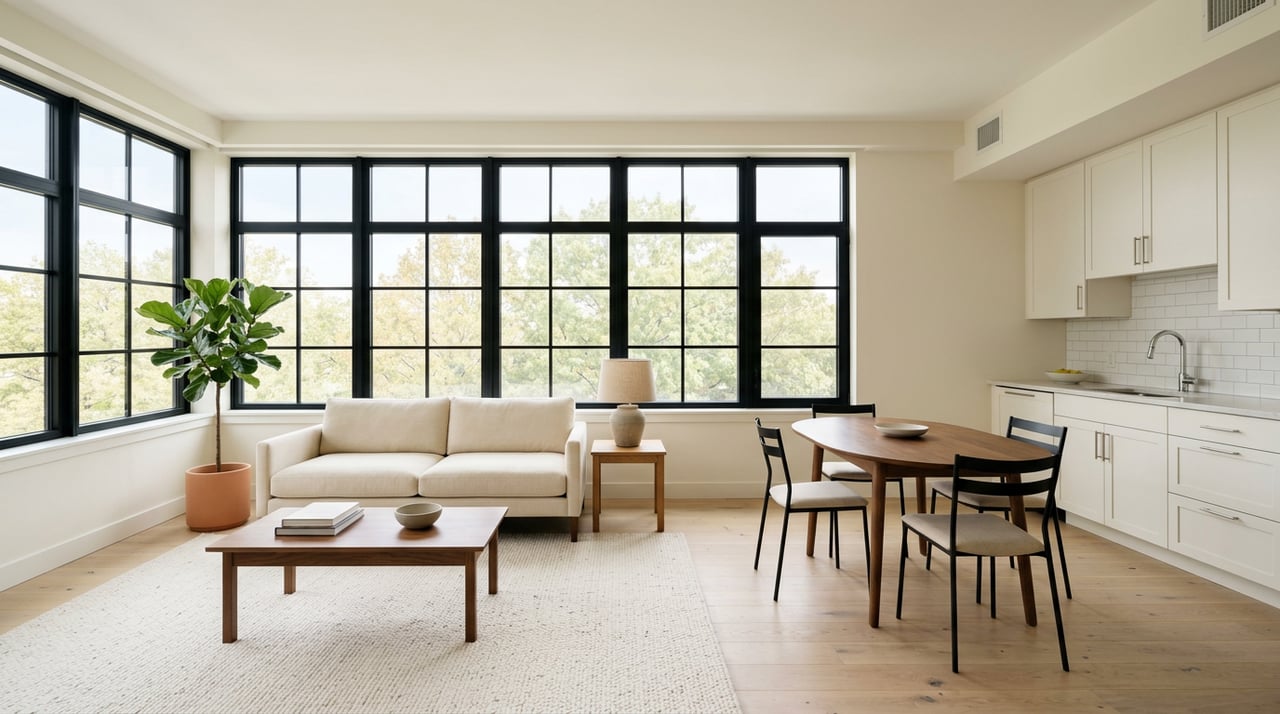
- Choose a condo if you value location, lower entry price, and less hands-on upkeep, and you are comfortable with HOA rules and shared decision-making.
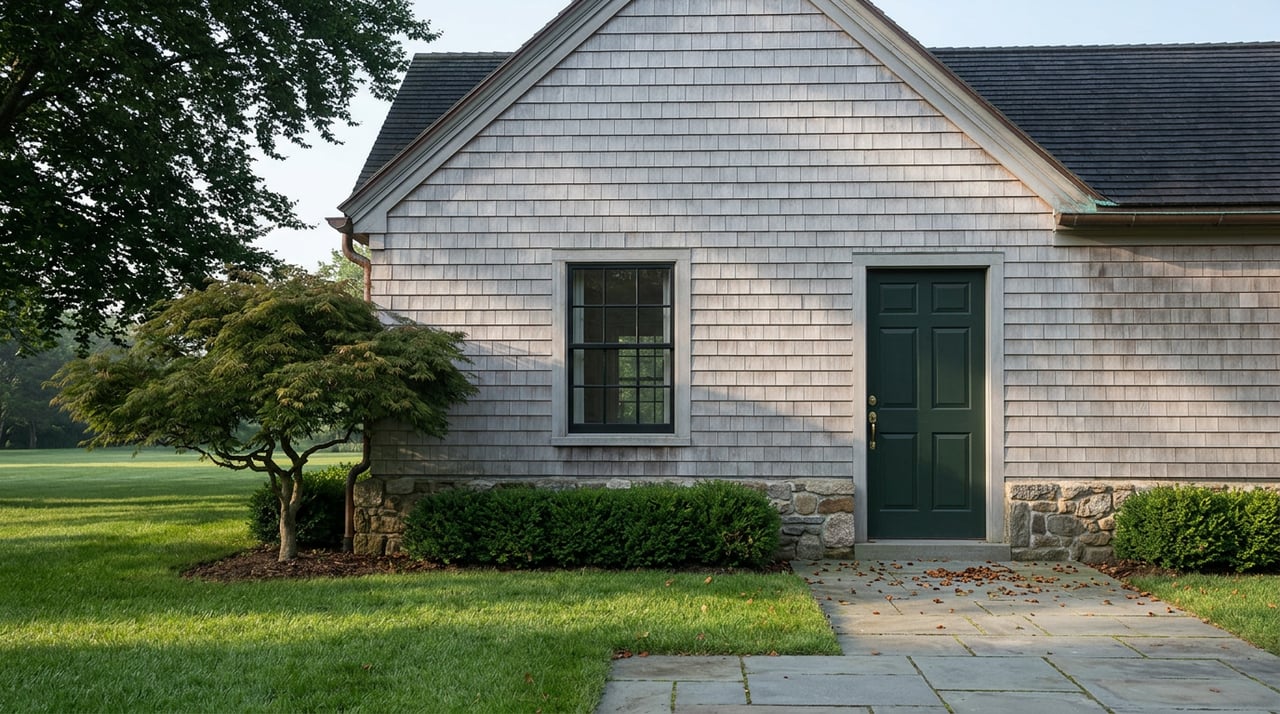
- Choose a single-family if you want a yard, parking, project flexibility, and long-term space, and you are prepared to budget for upkeep and capital items.
- If both appeal, run a true monthly side-by-side and compare lifestyle must-haves. Your daily routine will often make the decision clear.
Next steps: your checklist
- If you are leaning condo, request the full HOA package, including the declaration, current budget, reserve study, meeting minutes, and master insurance certificates. Ask about any planned assessments.
- If you are leaning single-family, order a thorough inspection that focuses on roof, structure, electrical panel, plumbing, HVAC, and drainage. Budget at least 1 to 2 percent of the price per year for upkeep (maintenance guidance).
- Get local insurance quotes by address for apples-to-apples HO-3 versus HO-6 comparisons (insurance cost guides).
- Check the municipal assessor and tax-collector pages for the parcel’s assessed value, current mill rate, and billing schedule. Use the formula assessed value × mill rate ÷ 1,000 to estimate your annual tax (Providence tax FAQs).
If you want a clear side-by-side based on an address or buildings you are eyeing, let’s talk. With local experience across Providence condos and Providence County single-family homes, we can help you compare true monthly costs, read HOA documents, and craft a plan that fits your goals. Reach out to James Hall to schedule a free consultation.
FAQs
How do condo and single-family prices compare in Providence right now?
- Local reports show county single-family medians often in the low-to-mid $400,000s, while city condo pricing varies by building and neighborhood; use very local comps and recent MLS activity for a precise read (RIAR market overview).
How are Providence property taxes calculated for homeowners?
- The basic formula is assessed value × mill rate ÷ 1,000; Providence bills annually with statements usually mailed in late June, and owner-occupied rules may apply (Providence tax FAQs).
What insurance do I need for a Providence condo?
- Most condo owners carry an HO-6 policy for interior finishes and personal property; the association’s master policy insures the building’s shell and common areas, so confirm whether it is “all-in” or “bare walls” and match your HO-6 coverage accordingly (RI condo insurance overview).
How much should I budget for single-family maintenance in Providence County?
- A common planning rule is 1 to 2 percent of the home’s value per year, rising with age and condition; for a $450,000 home that is $375 to $750 per month on average over time (maintenance guidance).
What condo HOA documents should I review before I buy?
- Ask for the declaration and bylaws, current budget with reserve contributions, recent reserve study, board meeting minutes, and master insurance certificates; Rhode Island’s condo law outlines how these elements work together (RI Condominium Law index).
Do condos in Providence restrict rentals or pets?
- Many associations set rules on leasing, pets, parking, and renovations; confirm specifics in the recorded covenants and recent board minutes before you make an offer.