Leave a Message

Thank you for your message. We will be in touch with you shortly.

Condo Or Single-Family On The East Side?

January 1, 2026

Condo or single-family on Providence’s East Side? It is one of the most common questions buyers ask, especially when you want walkability but also crave space. You are likely weighing budget, day-to-day upkeep, parking, and long-term resale. In this guide, you will get a clear, practical comparison tailored to the East Side so you can choose with confidence. Let’s dive in.

East Side at a glance

The East Side includes College Hill, Fox Point, Wayland, Blackstone, and Mount Hope. You will find historic homes, converted multi-unit buildings, townhouse-style condos, and a handful of purpose-built condo communities. The housing is older, especially around College Hill, so character is a major draw.

Location is a big advantage. You are close to downtown Providence, universities, hospitals, and cultural attractions. Walkability is strong, with parks like India Point Park, Blackstone Boulevard, and Prospect Terrace nearby. Public transit via the RIPTA bus network supports car-light living for many professionals.

Total cost of ownership basics

Comparing a condo and a single-family home starts with total cost of ownership. Look beyond list price to the full monthly picture.

  • Mortgage payment: principal and interest based on purchase price, down payment, rate, and term.
  • Property taxes: use assessed value and the City of Providence tax rate; verify with the City of Providence assessor for any property you are considering.
  • Insurance: condos typically use an HO-6 policy for interior coverage while the association’s master policy covers the building exterior and common areas; single-family homes often use HO-3 or HO-5.
  • HOA fees for condos: regular monthly charges that may cover exterior maintenance, snow removal, landscaping, some utilities, and reserves.
  • Utilities: heat, electricity, gas, hot water, sewer, and trash. Older East Side buildings can have higher heating costs depending on systems and insulation.
  • Maintenance reserves: for single-family homes, a simple rule of thumb is to plan around 1 percent of the home’s value per year, adjusted for age and known system updates. For condos, consider HOA reserves and potential special assessments in addition to interior upkeep.
  • Parking: include resident permit fees, any paid off-site or garage parking, and guest parking needs.

Condos: cost factors to watch

  • HOA fees and what they include. Review line items and ask for the latest budget and reserve study.
  • Master insurance policy coverage and deductibles. Make sure your HO-6 policy fills any gaps.
  • Special assessments. Older East Side condo conversions may face capital projects like roof work or masonry repointing.
  • Utilities. Some buildings include heat or hot water in the fee while others do not.

Single-family homes: cost factors to watch

  • All exterior maintenance, including roof, siding, foundation, gutters, and snow removal.
  • Mechanical systems, from boilers to electrical panels. Older systems can affect both cost and comfort.
  • Yard care, tree work, and driveway upkeep.
  • Insurance on the whole structure, plus any flood policy if applicable.

Flood risk and insurance

If you are considering Fox Point or other low-lying areas, confirm flood zone status. Lenders may require flood insurance if the property sits in a Special Flood Hazard Area. You can check addresses on the FEMA Flood Map Service Center.

Quick TCO worksheet you can use

Create a side-by-side estimate for any two homes you like:

  • Mortgage: principal and interest per month.
  • Property tax: annual tax ÷ 12.
  • Insurance: HO-6 for condo or HO-3/HO-5 for single-family ÷ 12.
  • HOA fee: monthly amount for condos.
  • Utilities: average monthly total.
  • Maintenance reserve: estimated monthly set-aside.
  • Parking: monthly permit or garage fee.
  • Special assessments: amortize expected projects monthly if known.

With a few candidate properties, this simple worksheet makes the comparison concrete and helps you rank realistic monthly costs.

Maintenance and operations

The day-to-day experience is different between condos and single-family homes on the East Side.

  • Single-family: you handle exterior, roof, landscaping, and all systems. You control the schedule and vendor choices, but you also carry the full cost.
  • Condo: the association typically manages common areas, exteriors, and grounds. You focus on interior maintenance, fixtures, and finishes.

Because many East Side buildings are older wood-frame or masonry, major exterior work like masonry repointing or slate roof repairs can be costly. Ask for HOA reserve balances, recent capital projects, any planned work, and meeting minutes. For single-family homes, review age and condition of big-ticket systems so you can budget smartly.

Parking and transportation

Parking is a common decision driver. Some streets near Brown and RISD have limited on-street parking and resident permit programs. Rules can change, so verify current requirements with the City of Providence. If a specific property lacks off-street parking, factor in the time and cost of on-street permits or a rented space.

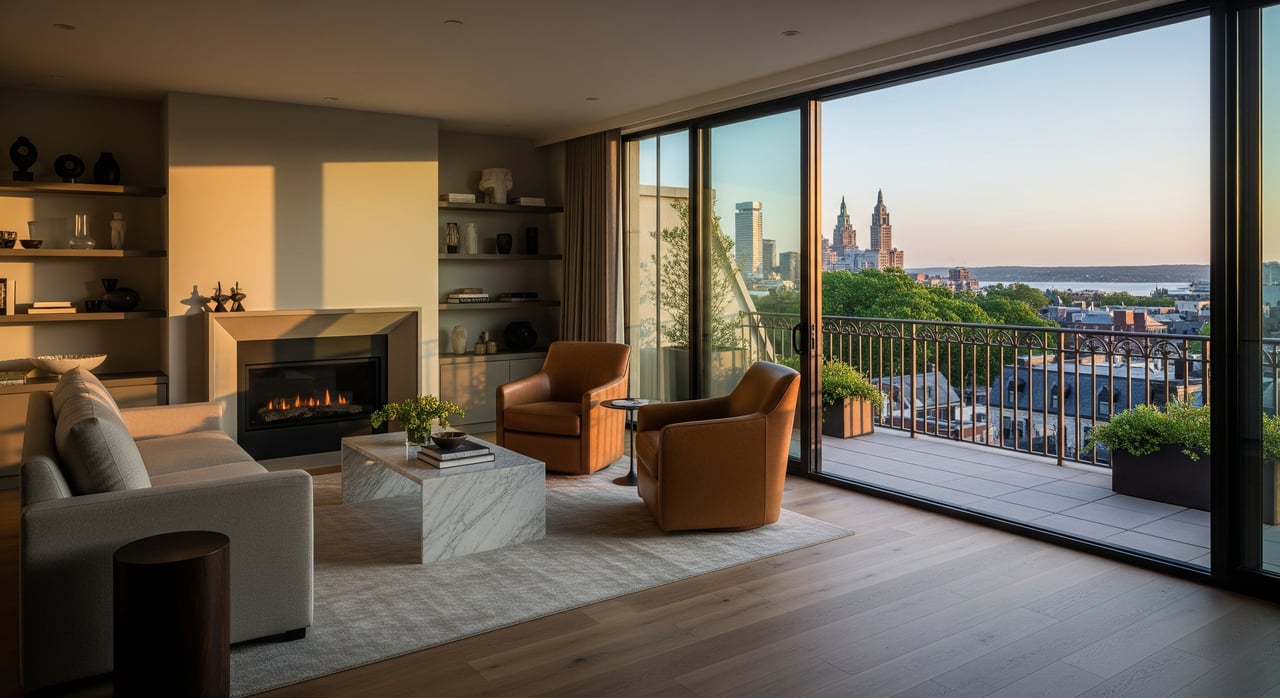
The upside is strong mobility without a car. Frequent buses on the RIPTA network and short walks to shops and cafes make daily life convenient. Many buyers choose a condo when they expect to rely more on transit or ride share and less on private parking.

Outdoor space and everyday living

East Side lots are generally smaller than suburban properties. A single-family home may offer a compact backyard or patio, while many condos have shared yards, balconies, or roof decks. For play space and weekend downtime, you can lean on neighborhood parks like India Point Park, Blackstone Boulevard, and Prospect Terrace.

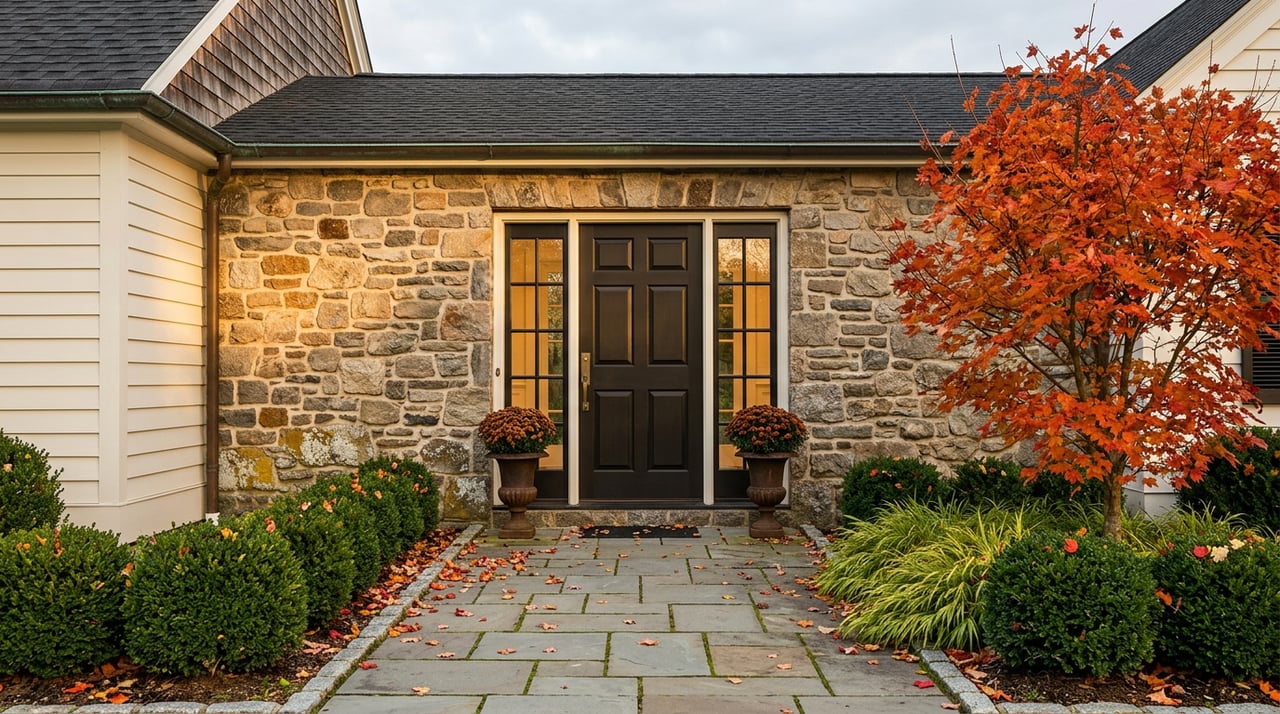
If you value low yard upkeep, a condo can feel freeing. If you want a private, fenced yard for pets, gardening, or a grill setup, a single-family home can be worth the added maintenance.

Resale and financing dynamics

Buyer pools differ by property type. Condos often appeal to urban professionals, downsizers, and investors. Single-family homes tend to draw buyers who want more space and private yards. Historically, the East Side trades at a premium within Providence, and demand near universities and hospitals helps support both sales and rental interest. Individual condo buildings with high investor concentrations can face financing hurdles, so review owner-occupancy ratios and rental policies before you write an offer.

Financing for condos can be stricter than for single-family homes because lenders also underwrite the building’s financial health. Ask your lender about project approval, HOA reserve requirements, and any restrictions related to owner-occupancy levels or delinquencies. You can explore state programs and guidance through Rhode Island Housing and confirm tax-related questions with the Rhode Island Division of Taxation.

Historic districts and renovations

Parts of the East Side, especially College Hill, include historic districts. Exterior changes may require review, which can add time and shape design choices. Buyers who value preserved character often see this as a benefit. If you have renovation plans, ask about the approval process with the City of Providence or the Providence Historic District Commission before you commit.

Which option fits your lifestyle?

Use these quick prompts as a gut check.

You may lean condo if you want

  • A lock-and-leave lifestyle with reduced exterior upkeep.
  • Walkable access to cafes, parks, and transit, and you value lower car dependency.
  • Predictable monthly costs where HOA fees cover big items like snow removal and exterior maintenance.
  • A smaller footprint that is easier to furnish and maintain.

You may lean single-family if you want

  • A private yard, grilling and gardening space, or room for a play set.
  • Full control over renovations and materials, inside and out.
  • Fewer HOA-driven variables like special assessments or project approvals.
  • Easier guest parking or potential to add off-street parking if the lot allows.

How James helps you compare with clarity

Choosing between a condo and a single-family home on the East Side is part numbers and part lifestyle. You deserve both. I help you build a side-by-side TCO for your short list, review HOA budgets and reserve studies, check flood maps, confirm parking rules, and flag historic district implications before you are under contract. You get clear local comps, private or off-market options when available, and hands-on coordination from showings through inspections and closing.

Ready to see how your options stack up? Connect with James Hall to schedule a free consultation and get a tailored East Side game plan.

FAQs

What costs are different for East Side condos vs single-family homes?

  • Condos add HOA fees and rely on a master insurance policy, while single-family homes shift all exterior maintenance and full-structure insurance to you; both require property taxes, utilities, and a maintenance reserve.

How can I estimate monthly total cost before I offer?

  • Build a worksheet with mortgage, taxes, insurance, HOA fees if any, utilities, a maintenance reserve, parking, and any known assessments, then compare two homes side by side using the same assumptions.

Where do I check flood risk for East Side properties?

  • Enter the address on the FEMA Flood Map Service Center and discuss lender requirements for flood insurance if the property sits in a Special Flood Hazard Area.

What do East Side condo fees typically cover?

  • It varies by association, but common items include exterior maintenance, landscaping, snow removal, trash, master insurance, and reserves; some buildings include heat or hot water, so always review the budget and bylaws.

Are there rules about exterior changes in East Side historic areas?

  • Yes; parts of the East Side fall within historic districts where exterior modifications often require review, so contact the City of Providence or the Providence Historic District Commission before planning changes.

How does transit and parking affect my choice?

  • Condos near universities may favor a car-light lifestyle with the RIPTA bus network close by, while single-family homes may offer better control over private parking; verify resident permit rules with the City of Providence.

Work With James

Get assistance in determining the current property value, crafting a competitive offer, writing and negotiating a contract, and much more. Contact me today.