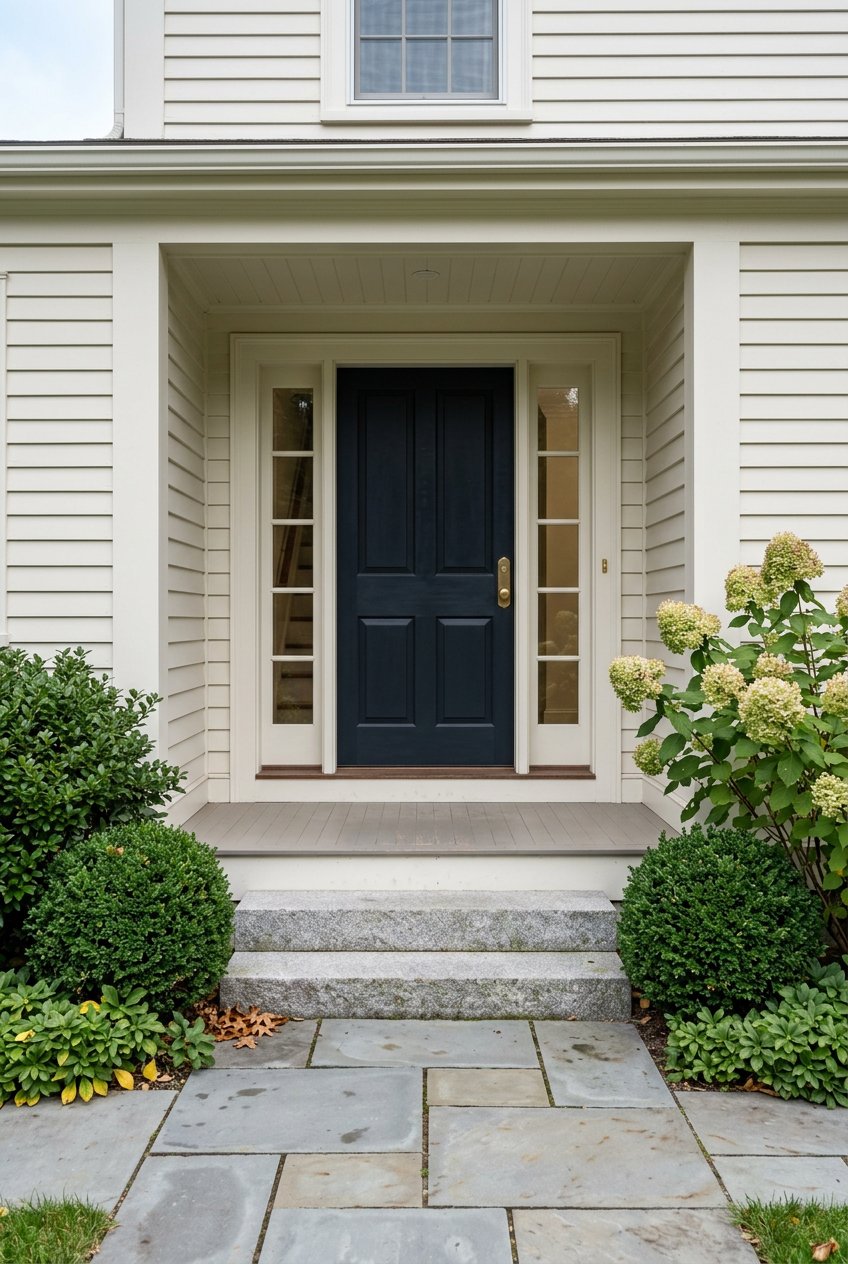
A Buyer’s Guide to Historic Homes on Providence’s East Side
March 24, 2026
March 24, 2026
Ever fall in love with a stately front porch on Blackstone, then get charmed by a turreted Victorian on College Hill the same afternoon? Choosing between historic homes on Providence’s East Side can feel thrilling and tricky at once. You want character and comfort, plus clarity on what each house will cost to maintain and improve. In this guide, you’ll learn how to compare styles, layouts, risks, and typical upgrades so you can move forward with confidence. Let’s dive in.
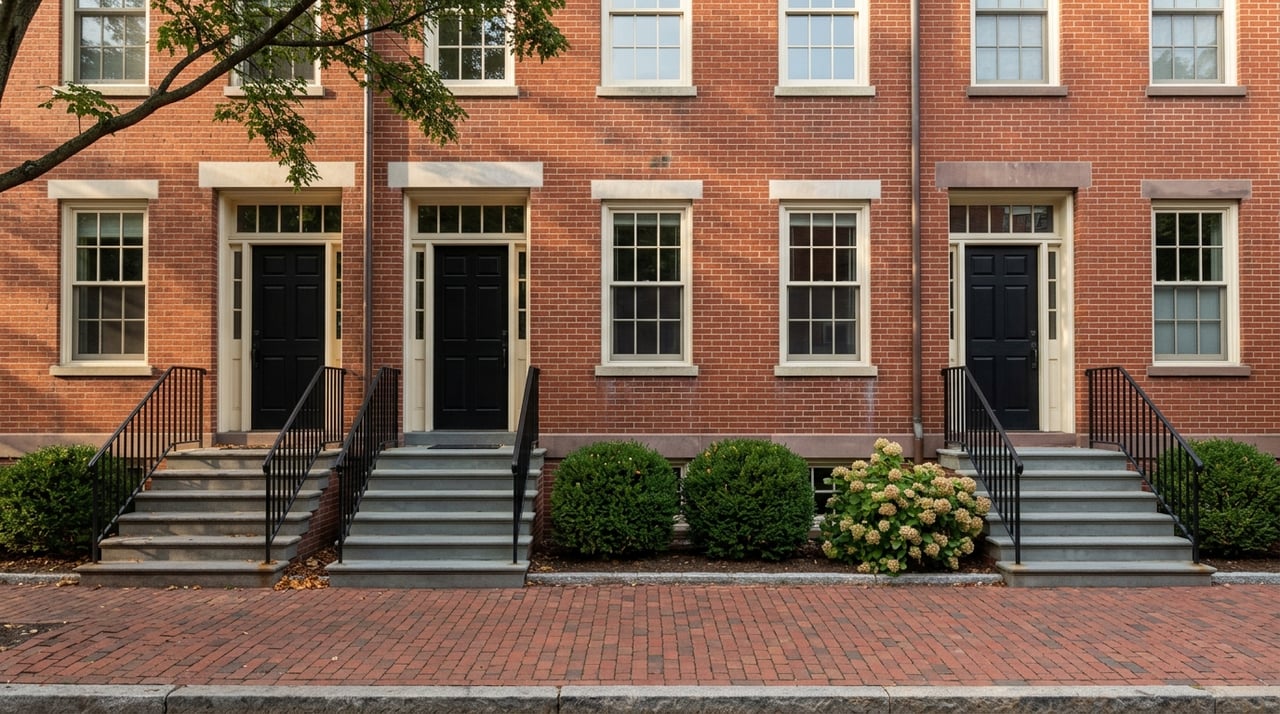
The East Side refers to Providence neighborhoods on the east bank, including College Hill, Fox Point, Wayland, and Blackstone. It is one of the city’s most architecturally intact areas, with dense concentrations of 18th to early‑20th century homes. For quick style spotlights and neighborhood context, explore the Providence Preservation Society’s helpful online guide to Providence architecture.
Many streets on the East Side fall within local historic districts. Exterior work visible from the street often needs a Certificate of Appropriateness before a building permit is issued. Review the Providence Historic District Commission’s Standards and Guidelines to understand how windows, porches, siding, and rooflines are evaluated. District status affects scope, timeline, and cost, so include it in every comparison.
Note: East Providence is a separate city across the river with its own housing stock and rules. This article focuses on Providence’s East Side neighborhoods.
You will see a range of styles that signal different massing, trim, and roof shapes.
Use the PPS architecture guide’s style photos and notes to sharpen your eye when touring. Subtle differences, like a mansard versus a low‑pitched hipped roof, can change both restoration choices and historic review outcomes. You can reference style and era cues in the PPS architecture guide.
Historic floor plans drive daily function and renovation cost. A state survey of East Side resources highlights typical interior patterns you will encounter. Many earlier homes use center‑hall plans with formal front rooms on both sides of a main stair. Side‑hall plans set rooms off to one side to maximize light on narrow lots.
Victorian houses often feature double parlors up front and a rear service ell where kitchens and back stairs were historically located. Attics, basements, and third‑floor rooms vary widely in headroom and egress, which affects usable square footage. For deeper background on these patterns, the Rhode Island preservation survey of East Side resources is a helpful primer (East Side survey).
Historic homes reward care. They also bring a few predictable risks you should compare across listings.
Most East Side homes predate 1978, so lead‑based paint is a real consideration. Rhode Island and federal rules require seller disclosures, and you have a window to test. Review the Rhode Island Department of Health’s guidance for buyers and homeowners on lead exposure and documentation.
Providence’s public water systems have also been cataloging and planning for service‑line replacements. RIDOH publishes guidance and an interactive map so you can see if a property’s service line is lead, non‑lead, or unknown. Start with RIDOH’s page on public water system compliance and lead service lines.
Knob‑and‑tube wiring, older metallic conduits, and small‑amp panels still show up in many older homes. This limits capacity for modern loads like induction ranges, heat pumps, or EV charging until you upgrade. A licensed electrician should evaluate any K&T flagged by your inspector. For an overview of K&T issues, see this practical explainer on knob‑and‑tube wiring.
It is common to find a mix of oil and natural gas heat in older New England homes. Record fuel type, boiler or furnace age, distribution method, and recent service. Converting to high‑efficiency gas or heat pumps can improve comfort but may require electrical upgrades and weatherization first.
In houses built before the mid‑20th century, components like pipe insulation or some floor tiles may contain asbestos. A general inspection is not a lab test. If you plan to disturb suspect materials, budget for sampling by a licensed professional and follow state abatement rules.
Older foundations may be stone, brick, or early concrete. Look for water entry, spalled mortar, bulging walls, or floor settlement. If you see large cracks or chronic moisture, plan for a structural consult and drainage improvements. The East Side survey linked above outlines common foundation types to expect.
Low‑lying spots near Fox Point and India Point can carry elevated flood risk. Check FEMA’s Flood Map Service Center for parcel‑level context and talk with your insurance provider about coverage. You can start your review with FEMA’s flood maps. Good grading, gutters, and drywells are often worthwhile upgrades.
Rhode Island is a test‑recommended state for radon. The EPA recommends mitigation at or above 4.0 pCi/L, and many health groups advise testing every home, especially with basements or finished lower levels. See national guidance from the American Lung Association on why radon testing matters.
Clay or cast‑iron sewer laterals can crack or clog with roots. A sewer camera scope is a modest add‑on that can prevent a surprise four‑figure repair. Learn the basics from this overview of sewer scope inspections.
Moisture history, crawlspaces, or wood‑to‑soil contact can invite insects or mold. Add a WDO inspection and targeted mold testing if your inspector sees red flags.
Not all upgrades are equal in historic settings. Here is how to weigh the big ones you will see in listings and walkthroughs.
Historic wood windows can often be repaired for better performance with weather‑stripping and storms. Many local commissions prefer repair over replacement for visible street façades. The National Park Service offers solid best practices on energy efficiency in historic buildings. When comparing homes, note whether windows were repaired, fitted with storms, or fully replaced and whether permits were issued.
Upgrading from older oil systems to high‑efficiency gas or cold‑climate heat pumps can improve comfort and lower emissions. The feasibility depends on your electrical service, insulation, and air sealing. Track equipment ages, service records, and any incentives used, since these can indicate recent, code‑compliant work.
Modest, well‑planned kitchen and bath updates often show better resale recovery in older homes than major custom gut remodels. Focus on quality, storage, and flow rather than pushing walls in regulated façades. If any exterior element changes, expect the Providence HDC to review visible impacts.
Roof replacement, porch stabilization, and siding repairs are big‑ticket items and highly visible. Historic standards often favor repair in kind for character details like columns, balustrades, and brackets. Revisit the City’s HDC Standards and Guidelines to understand how these projects are evaluated and the documentation you will need.
For pre‑1978 homes, renovations that disturb paint generally must follow lead‑safe work practices under state and federal rules. When comparing properties, ask for permits and proof that any paint‑disturbing work followed RRP standards. RIDOH’s lead guidance for homeowners is a good starting point.
Use this short list for each home you tour. Save it to your notes and fill it in as you go.
Targeted experts can save you money and stress. Add them during inspections as needed.
Comparing historic homes is part art, part due diligence. You want someone who can read a façade, interpret district rules, spot value in intact details, and coordinate the right specialists fast. With hands‑on buyer representation and a concierge approach, you get candid advice on permit history, realistic upgrade paths, and timing. If you are early in your search, you can also explore off‑market possibilities through Compass Private Exclusives.
Ready to compare your short list on Providence’s East Side? Reach out to James Hall to schedule a free consultation and get a clear, side‑by‑side plan for your next move.
Stay up to date on the latest real estate trends.
Get assistance in determining the current property value, crafting a competitive offer, writing and negotiating a contract, and much more. Contact me today.