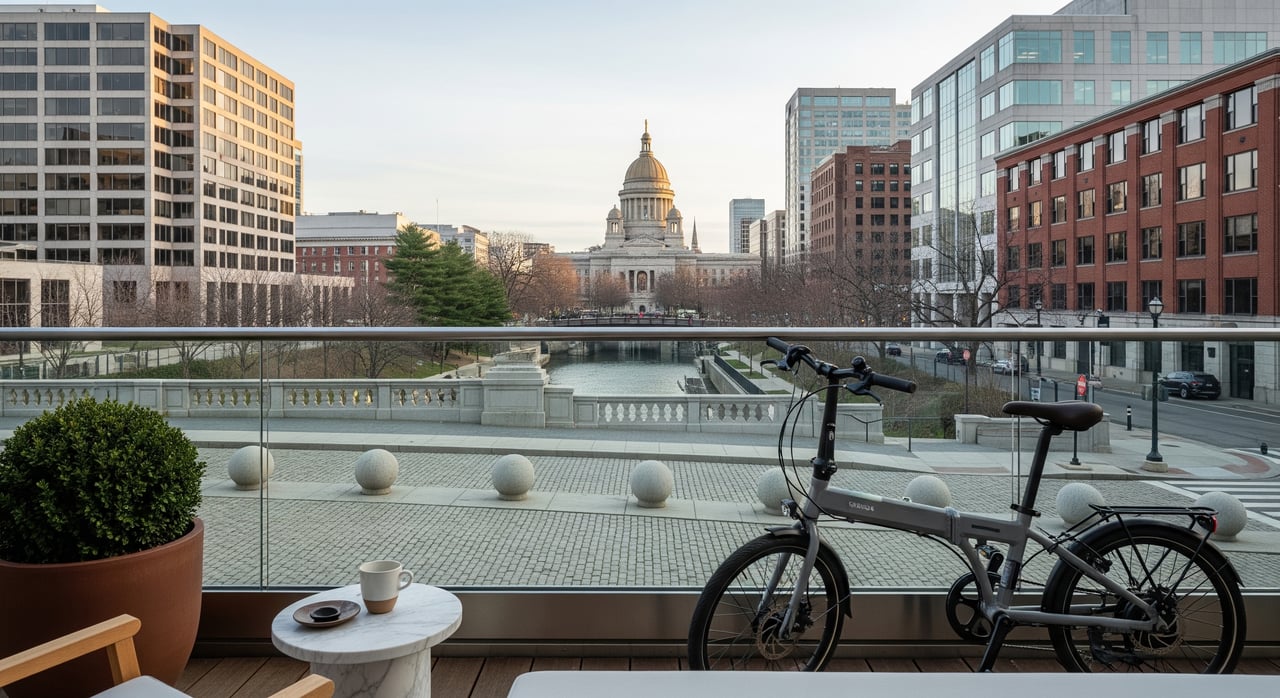
Living Car Free in Downtown Providence: A Local Guide
February 5, 2026
February 5, 2026
Thinking about ditching your car and keeping your life simple? If you live or plan to live in Downtown Providence, you can. The neighborhood’s compact blocks, transit hub, and riverfront paths make daily errands and nights out easy without a set of keys. In this guide, you’ll learn how to get around, where you’ll find daily essentials, what to consider in a condo, and how to decide if a car-free lifestyle fits your goals. Let’s dive in.
Downtown Providence is small, mixed-use, and convenient. Offices, condos, restaurants, and cultural venues sit close together near the rivers. If you live in the core, you can usually reach cafés, banks, and theaters within a 5 to 20 minute walk.
Independent walkability indexes rate central Providence as highly walkable. You can confirm a specific address by checking the latest data on Walk Score to see walk, transit, and bike ratings before you tour.
Riverwalk paths, crosswalks, and sidewalks on major streets like Westminster and Weybosset create a steady pedestrian network. Side-street conditions can vary, so it helps to walk the route you expect to use most often.
RIPTA is the statewide bus system, and most routes connect through Kennedy Plaza in the heart of downtown. You can reach neighborhoods across Providence and nearby towns, plus shopping and medical destinations. For current routes, fares, and real-time updates, check RIPTA’s official site.
Providence Station sits just north of the riverfront and is walkable from much of downtown. Commuters and day-trippers use MBTA commuter rail to Boston, and Amtrak for regional trips on the Northeast Corridor. See schedules and ticketing at MBTA and Amtrak.
You will find marked bike lanes and shared lanes on select corridors. The Bluebikes station-based bike-share operates in Providence, which makes quick cross-town rides simple in fair weather. View passes and station maps at Bluebikes. For longer recreation, the East Bay Bike Path begins near India Point Park and links you to scenic miles along the water.
Uber and Lyft operate throughout Providence. Many residents use rideshare for late nights, winter storms, airport trips, or heavy shopping. Taxi services also serve downtown. Carsharing availability can change, so check current providers if you plan to rely on that option.
Rhode Island winters bring snow and cold. Sidewalks and bike lanes are often cleared but can be slower on side streets. Plan a seasonal routine that includes good boots, a transit backup, and rideshare when conditions are icy. RIPTA typically continues service during storms, though delays and reduced schedules are possible. Check live updates before you head out.
Downtown residents have access to full-service supermarkets, specialty markets, and convenience stores within a short walk or bus ride, depending on your block. Grocery delivery and curbside pickup are common, and third-party delivery apps help you skip the trip for heavy items.
Healthcare is close by, with major hospitals and outpatient facilities in and near central Providence. Pharmacies and urgent care locations are typically located along main corridors. If you value arts and dining, you can walk to theaters, museums like the RISD Museum, and frequent downtown events. To see what is happening now, check the events calendar at GoProvidence.
For fresh air, you can stroll Waterplace Park and the Riverwalk, or head to India Point Park for waterfront views and bike path access.
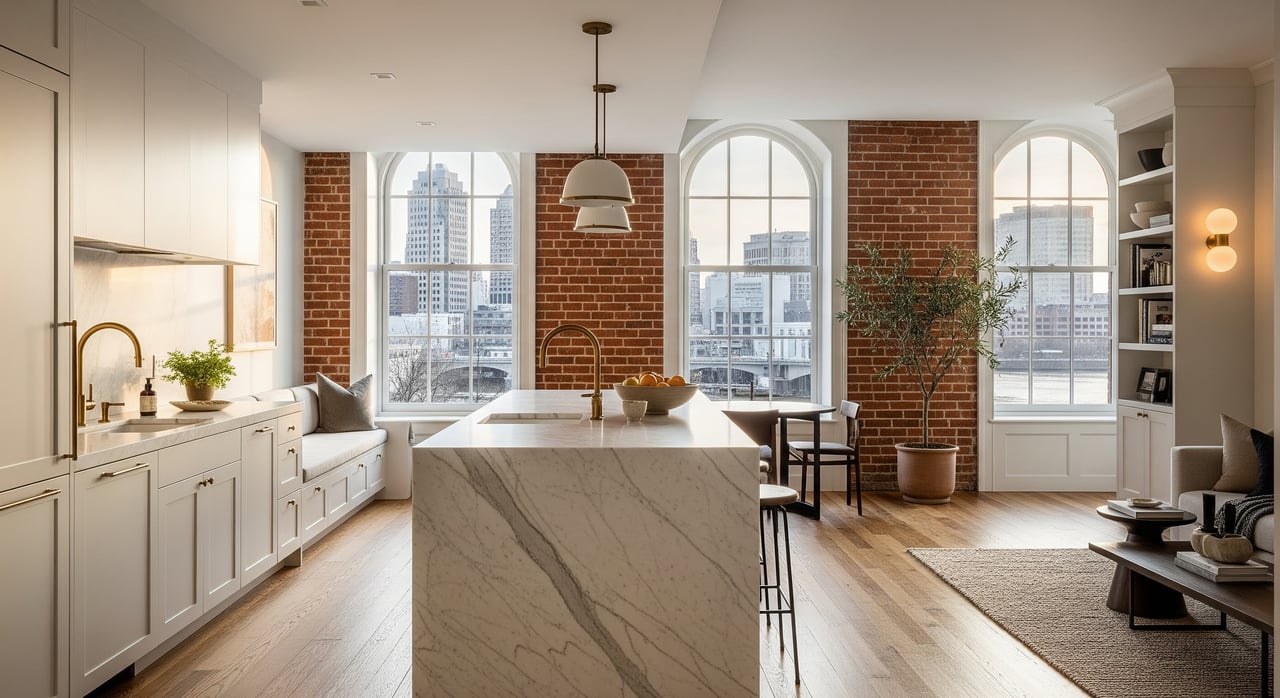
Downtown offers high-rise apartments, condos, loft conversions, and mixed-use buildings. Many appeal to buyers who want low-maintenance living with elevators, on-site management, and sometimes concierge services.
Parking is a separate decision. Not every unit includes a deeded space. Some buildings offer assigned garage parking for an added fee, and public garages or metered street parking are available with costs that vary by time and location. If you expect guests, ask about building rules for visitor parking.
You can save a meaningful amount by skipping car payments, fuel, insurance, maintenance, and monthly parking. Factor in potential higher HOAs for amenities and any subscription costs for delivery, rideshare, or occasional car access.
A car-free setup fits you well if you love walking to restaurants and shows, use transit for daily trips, and take rail or rideshare for longer journeys. It can be challenging if you commute daily to areas with limited transit, regularly buy bulky items, or keep late hours on routes with limited service.
Use this quick checklist when you tour a specific address:
If living car-free in Downtown Providence fits your lifestyle, you deserve a local guide who understands the buildings, parking details, and transit rhythms block by block. For tailored recommendations, buyer representation, relocation support, and access to Compass tools like Private Exclusives and Concierge, connect with James Hall. Schedule a free consultation and start your search with confidence.
Stay up to date on the latest real estate trends.
Get assistance in determining the current property value, crafting a competitive offer, writing and negotiating a contract, and much more. Contact me today.